Here’s something most website owners never want to hear: your site might be working against you right now. A sluggish load time. No SSL certificate. Contact information is buried three clicks deep. None of these feels catastrophic in isolation, but together, they quietly erode the credibility that search engines and real humans both need before they’ll give you the time of day.
A 2024 SEO audit analysis found that 72% of websites fail basic technical SEO checks, yet fixing just the top five issues typically drives 47% more organic traffic within 90 days. Read that again. Ninety days. That’s not years of grinding, that’s a quarter’s worth of focused effort delivering nearly half again as much traffic. If that doesn’t make you want to audit your site today, I don’t know what will.
Building the Authority Foundation Your Site Actually Needs
Authority doesn’t arrive in a flash of inspiration. It accumulates signal by signal, page by page, until search engines have enough evidence to trust you with rankings.
The Core Trust Factors You Cannot Afford to Skip
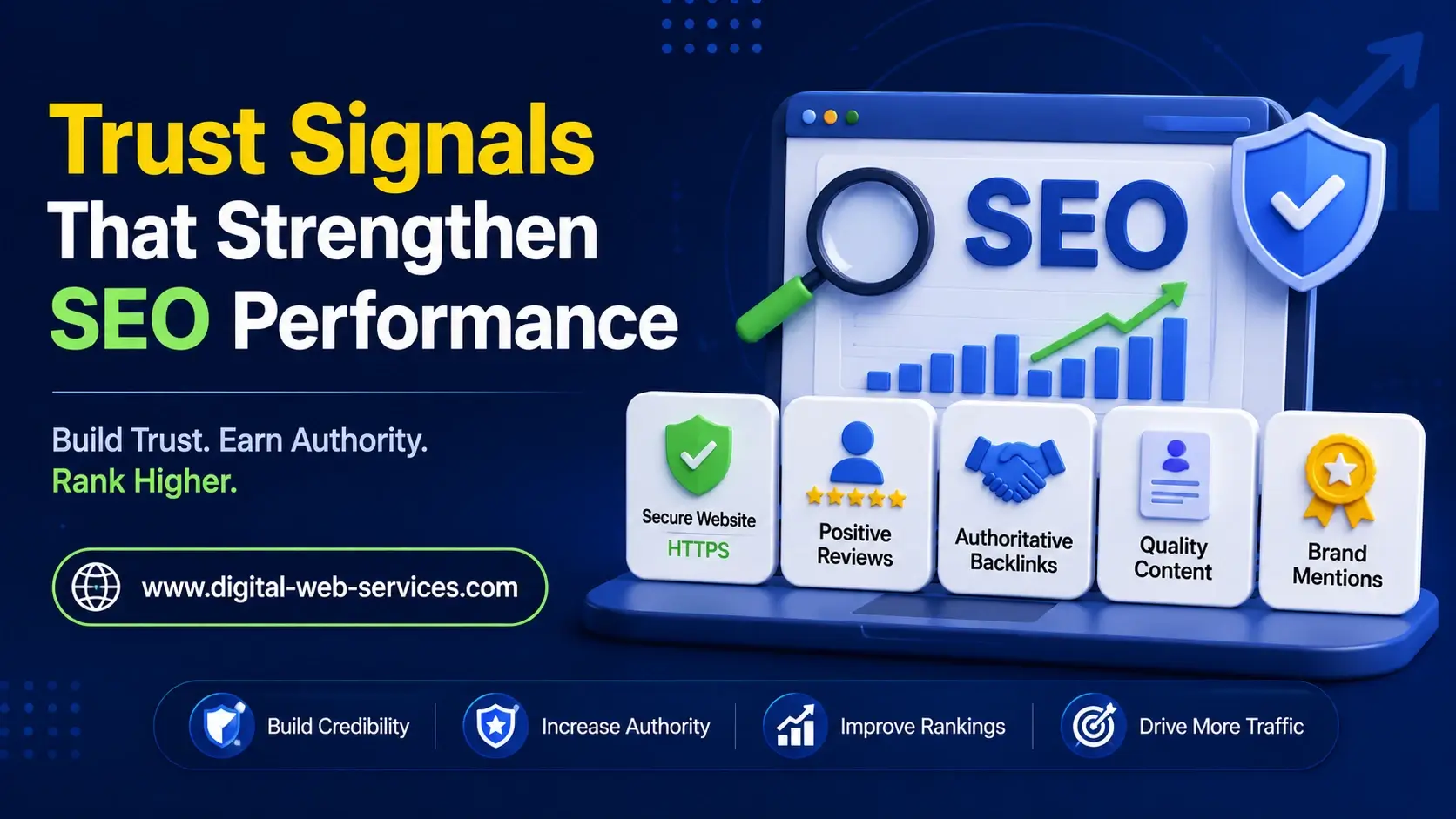
Clean backlink profiles, HTTPS security, visible contact details, these aren’t nice-to-haves anymore. They’re the minimum. Google’s algorithms have grown sophisticated enough to reward sites that demonstrate genuine transparency and punish those that don’t, often before you even realize what’s happening.
Domain authority carries weight, yes. But so does how you handle a bad review. Consistent NAP data across every directory you’re listed in. Professional responses to customer complaints. These aren’t glamorous tasks, but they send indirect signals that search engines pick up on and factor into how they rank you.
Showing the Humans Behind Your Brand
People trust people, not faceless websites. Detailed team pages, real author bios, and an honest company history all communicate that actual humans are accountable for what’s published. Awards, certifications, and industry memberships display them. Third-party proof beats self-promotion every single time.
Your link-building approach matters here, too. Committing to white hat seo link building, the kind agencies like LinkDoctor execute through manual editorial outreach, means you’re earning placements on high-authority sites the right way, no shortcuts that blow up in your face six months later.
E-E-A-T: The Framework Google Uses to Judge Your Content
Experience. Expertise. Authoritativeness. Trustworthiness. Google’s E-E-A-T framework isn’t just a theoretical checklist it directly influences how quality raters and algorithms evaluate your content’s credibility.
Why First-Hand Experience Changes Everything
There’s a noticeable difference between content written by someone who’s actually done the thing and content that’s just stitching together what other articles already say. Google’s quality raters are trained to feel that difference. If your content reflects genuine experience, product testing, industry navigation, and real problem-solving that comes through in ways that matter to rankings.
Testimonials, third-party reviews, and citations from respected industry sources reinforce this. They’re not decorative. They’re evidence.
Thin Content Is a Trust Killer
Outdated stats, vague claims, shallow takes, these damage your credibility faster than almost anything else. In-depth, fact-checked content that references real benchmarks, original research, and credible data tells both readers and algorithms something important: this site is worth trusting.
For YMYL topics, especially health, finance, and legal matters, accuracy isn’t optional. It’s the baseline requirement for being taken seriously at all.
User Experience: The Trust Signal Hiding in Plain Sight
You can have exceptional content and still lose users in three seconds flat. Site performance and content quality aren’t competing priorities; they’re partners.
Speed, Usability, and the Seconds That Decide Everything
Core Web Vitals aren’t bureaucratic hoops to jump through. Largest Contentful Paint, Cumulative Layout Shift, and Interaction to Next Paint. These measurements reflect how your site actually feels to use. Nail them, and you get better rankings and better user retention. Let them slide, and neither content quality nor backlink strength will fully compensate.
Mobile-first design, intuitive navigation, and fast load times don’t just reduce bounce rates. They signal professionalism. Users form impressions within seconds; a clunky experience suggests a careless brand, regardless of how good your articles are.
Technical Signals Working Quietly in the Background
Secure hosting, current software, and properly implemented schema markup are none of these glamorous, but all of them matter. A schema for reviews, author data, and organization details gives Google structured context it can actually interpret and use.
Schedule regular technical audits. An uncrawlable page or a broken redirect isn’t just an inconvenience; it’s a trust signal pointing in the wrong direction.
Off-Site Credibility: The Validation You Can’t Manufacture Yourself
Here’s the honest truth about external signals: they’re persuasive precisely because you don’t fully control them. That’s what makes them valuable.
Backlinks and Brand Mentions as Independent Endorsements
A well-researched report found that 85% of brand mentions in AI search come from third-party pages, not owned domains. Let that sink in. The majority of how AI-driven search surfaces your brand comes from places you didn’t write. That makes earning citations from credible industry publications, niche forums, and authoritative voices genuinely non-negotiable in the current landscape.
Monitor brand mentions consistently. Encourage the positive ones. Respond to the negative ones professionally. This isn’t reputation management as a buzzword; it’s active trust maintenance.
Reviews, Social Proof, and the Power of Other People’s Words
Prominent customer reviews on service and product pages carry real authority. They communicate that your business is active, responsive, and accountable. User-generated content forum discussions, community Q&As, and customer case studies add authentic texture that polished marketing copy simply can’t replicate.
Trust badges and accreditation logos from recognized third parties provide that final visual layer of credibility. Sometimes they’re what converts a hesitant visitor into a paying customer.
Future-Proofing Your Trust Strategy as Search Evolves
AI Search and the Entity-First Future
Search isn’t standing still. AI-driven search experiences increasingly reward structured, entity-rich content from brands with verifiable credibility. Citing original research, implementing advanced structured data like authorType and proofType, and building a recognizable brand entity positions you for visibility in formats that didn’t exist five years ago.
Keyword placement alone won’t cut it anymore. Entity-based authority is where this is heading, and building genuine trust signals is how you get there.
Reputation, Voice Search, and the Channels That Are Growing
Proactive reputation management, SERP monitoring, and a prepared crisis response plan protect what you’ve built when something goes wrong. And something always eventually does. Voice search and answer engine optimization are also expanding fast, where trust signals determine who gets cited and who gets silently passed over.
Measuring What’s Working and Keeping the Momentum
Bounce rate, dwell time, and branded search volume: these metrics tell you how users actually perceive your credibility. Tools like Google Search Console, Semrush, and Ahrefs make it possible to benchmark these signals and track real improvement over time.
Run audits regularly. Build user feedback loops. Trust signals for SEO are not a one-time project you complete and forget; they’re an ongoing investment that compounds with every consistent action you take.
Start Building The Payoff Is Real
The sites that sustain rankings over time aren’t the ones chasing every new algorithm trick. They’re the ones who layered technical credibility, genuine content quality, and legitimate external validation and kept at it consistently.
Start with a trust-centric audit. Fix what’s broken. Build what’s missing. The compound effect is real, and it rewards commitment more than it rewards shortcuts. Your credibility is worth protecting. Start there.

Maria Jain is a Senior Content Strategist and Tech Editor at Digital Web Services, with over 6+ years of experience covering digital marketing, website development, and search engine optimization. She specializes in WordPress site architecture, AI technologies, Web Hosting, topical authority models, and hands-on SaaS & affiliate tool reviews. Maria combines data-driven SEO practices with deep web design and technical insights to publish transparent guides, tool comparisons, and strategic tutorials for digital growth.