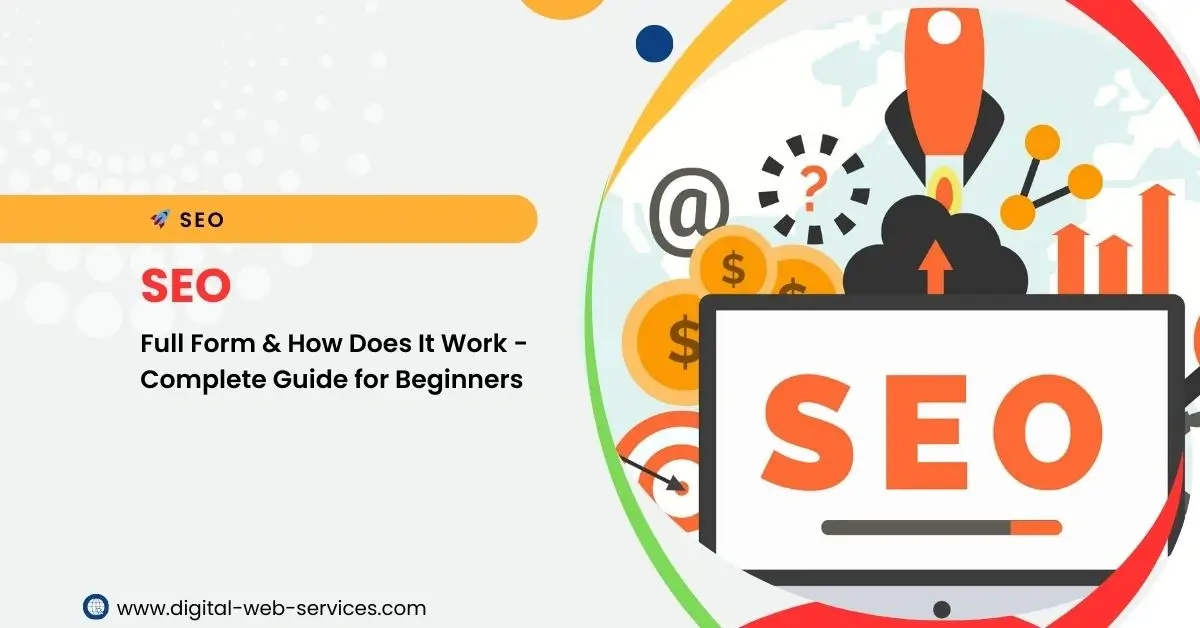
Understanding SEO is crucial for anyone looking to improve their website’s visibility on search engine result pages. So, what is the SEO full form? SEO stands for Search Engine Optimization. But how does SEO work? This guide will explain the basics of SEO, how SEO helps websites, and why it’s essential for digital marketing.
What is SEO Full Form?
The SEO full form is Search Engine Optimization. It refers to the practice of optimizing your website to rank higher in search engine results. Knowing the SEO full form is just the beginning; understanding how SEO works is the key.
How Does SEO Work?
SEO works by improving your website’s visibility in search engine results. It involves various techniques, including keyword optimization, quality content creation, and building backlinks. Here’s a simple step-by-step breakdown of how SEO works:
- Keyword Research: Identifying popular search terms like “SEO full form” or “How does SEO work.”
- On-Page SEO: Optimizing website content, headings, meta tags, and images.
- Technical SEO: Improving site speed, mobile-friendliness, and overall website performance.
- Off-Page SEO: Building backlinks from reputable sites.
- Content Creation: Producing high-quality, relevant content consistently.
Why SEO is Important for Websites
SEO helps websites rank higher in search results, which drives organic traffic. Understanding how SEO works is essential for digital marketing success. The better your SEO, the more likely users will find your website.
Best SEO Techniques to Improve Rankings
- Keyword Optimization: Using keywords like “SEO full form” and “How SEO works” naturally in your content.
- Creating Quality Content: Providing valuable information to users.
- Link Building: Earning backlinks from authoritative sites.
- Technical Improvements: Ensuring your site is fast, secure, and mobile-friendly.
- Monitoring and Adjusting: Continuously improving your strategies based on analytics.
SEO Strategies for Beginners
If you’re new to SEO, focus on basic strategies:
- Learn the SEO full form and how it works.
- Create high-quality, relevant content.
- Optimize your website’s structure and speed.
- Build backlinks through outreach and guest posting.
Benefits of SEO
SEO offers several benefits:
- Increases website traffic.
- Builds credibility and trust.
- Provides valuable insights through analytics.
- Boosts your digital marketing efforts.
FAQS on SEO Full Form
1. What is the full form of SEO?
Answer: SEO stands for Search Engine Optimization. It refers to the process of improving a website’s visibility in search engine results pages (SERPs) through organic (non-paid) methods.
2. Why is SEO important for websites?
Answer: SEO is crucial because it helps websites rank higher on search engines like Google. A higher ranking increases visibility, driving more organic traffic to the website, which can lead to more leads, sales, or conversions.
3. What does SEO stand for in digital marketing?
Answer: In digital marketing, SEO stands for Search Engine Optimization. It is a strategy used to improve a website’s visibility and ranking in search engine results through various optimization techniques.
4. How does SEO help improve website ranking?
Answer: SEO improves website ranking by optimizing various factors such as keyword usage, content quality, page speed, mobile-friendliness, backlinks, and user experience. These optimizations make the website more appealing to search engines, which boosts its ranking in SERPs.
5. Is SEO the same as SEM?
Answer: No, SEO (Search Engine Optimization) and SEM (Search Engine Marketing) are not the same. SEO focuses on organic methods to improve search rankings, while SEM involves both organic SEO and paid advertising, such as Google Ads, to drive traffic to a website.
6. What are the different types of SEO?
Answer: The three main types of SEO are:
On-Page SEO: Optimizing individual web pages to rank higher in search results (e.g., using the right keywords, improving content quality).
Off-Page SEO: Building external factors such as backlinks to increase the website’s authority.
Technical SEO: Optimizing website infrastructure, like site speed, mobile optimization, and ensuring the website is crawlable by search engines.
7. What is the difference between on-page and off-page SEO?
Answer: On-page SEO refers to optimizing elements within your website (like content, titles, and meta descriptions), while off-page SEO involves strategies outside your website (such as gaining backlinks) to improve its authority and ranking.
8. How can I start learning SEO?
Answer: To start learning SEO, begin with free online resources, blogs, and courses. Popular websites like Moz, Google’s Search Central, and SEMrush offer guides and tutorials. You can also experiment with your own website to practice SEO techniques.
9. What is the role of keywords in SEO?
Answer: Keywords are essential in SEO because they are the terms people type into search engines. Properly researched and strategically placed keywords in your website’s content help search engines understand what the page is about, increasing the chances of ranking for those terms.
10. Can SEO be done for free?
Answer: Yes, SEO can be done for free. Many aspects of SEO, like keyword research, creating quality content, and optimizing your website’s structure, can be performed without spending money. However, certain advanced SEO tools and paid advertising may require a budget.
11. How long does it take to see results from SEO?
Answer: The time it takes to see results from SEO varies but generally ranges from 3 to 6 months. SEO is a long-term strategy, and rankings improve gradually as search engines index and assess your website’s quality and relevance.
Conclusion
Understanding the SEO full form and how it works is essential for anyone looking to succeed online. Following the right SEO techniques and strategies will improve your website’s visibility, traffic, and overall performance. Whether you’re a beginner or an expert, continuously learning about how SEO works is key to digital marketing success.

Maria Jain is a Senior Content Strategist and Tech Editor at Digital Web Services, with over 6+ years of experience covering digital marketing, website development, and search engine optimization. She specializes in WordPress site architecture, AI technologies, Web Hosting, topical authority models, and hands-on SaaS & affiliate tool reviews. Maria combines data-driven SEO practices with deep web design and technical insights to publish transparent guides, tool comparisons, and strategic tutorials for digital growth.