On-Page SEO Training Made Easy | Learn with Digital Web Services
Optimize Smarter, Rank Higher – Learn On-Page SEO with Us!

Welcome to Digital Web Services, your ultimate resource for mastering On-Page SEO! Whether you’re a beginner or an experienced marketer, this page is designed to help you understand the essential elements of on-page optimization that can improve your website’s search engine rankings. On-Page SEO is the foundation of a successful digital marketing strategy, and we’re here to guide you step by step.
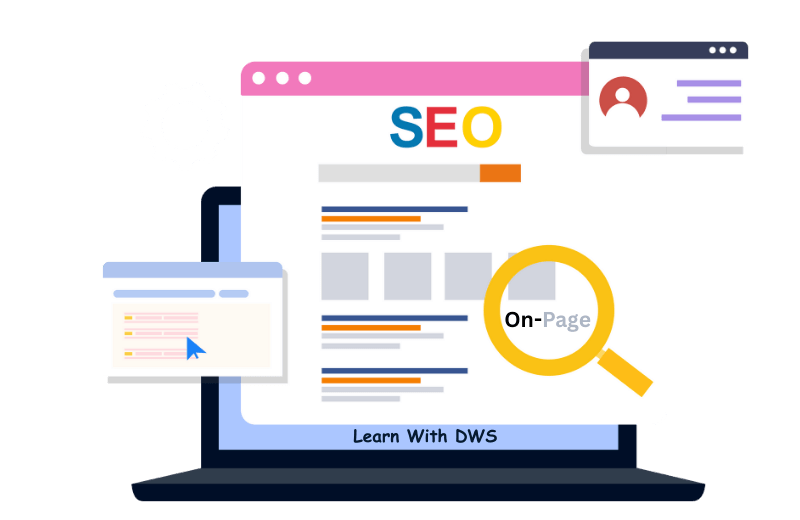
Explore Top On-Page SEO Insights from Our Featured Post
Here, we are regular sharing posts, expert tips, or case studies related to On-Page SEO
What is On-Page SEO? Importance for Website Optimization
How Do You Optimize Header Tags (H1, H2, H3) For SEO?
What is On-Page SEO?
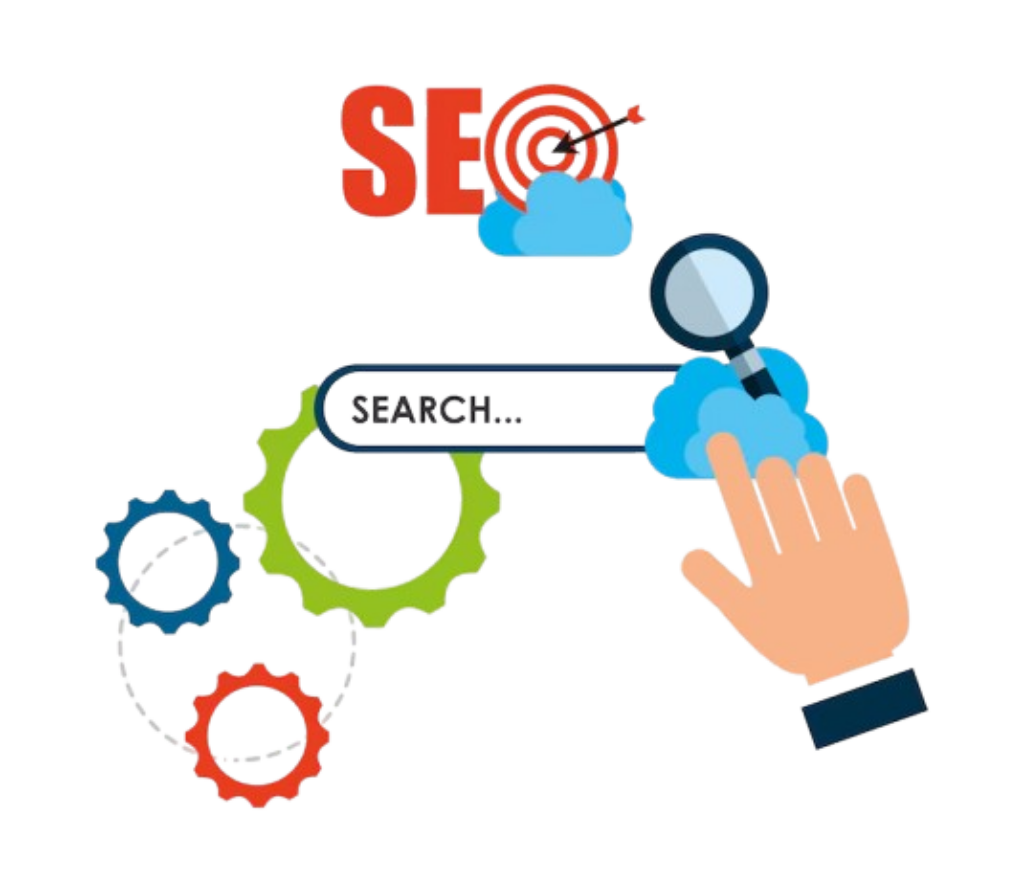
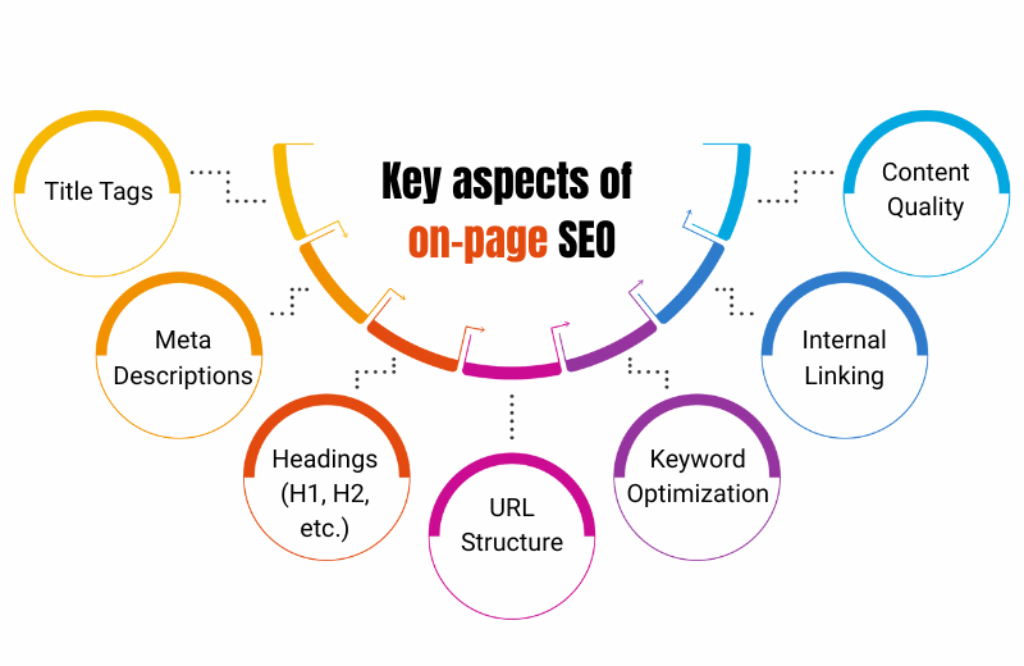
On-Page SEO refers to the strategies and techniques used within your website to help search engines better understand its content. It’s all about making sure your web pages are optimized for both users and search engines. Some key aspects include content quality, keyword optimization, URL structure, image optimization, internal linking, and more.
On-Page SEO Techniques to Optimize Your Website:
- Create unique and valuable content that help to your audience
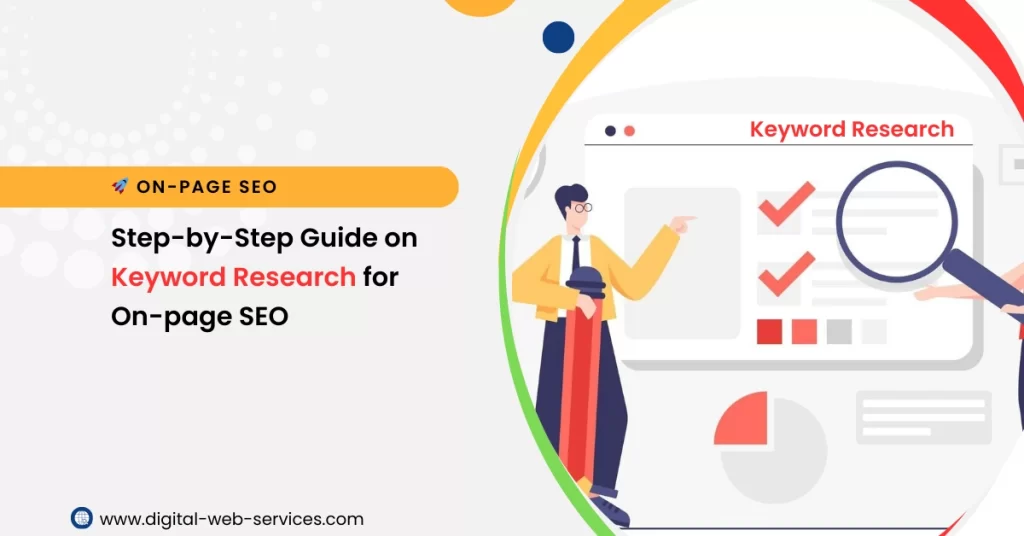
- Use target keywords strategically throughout your content, without keyword stuffing
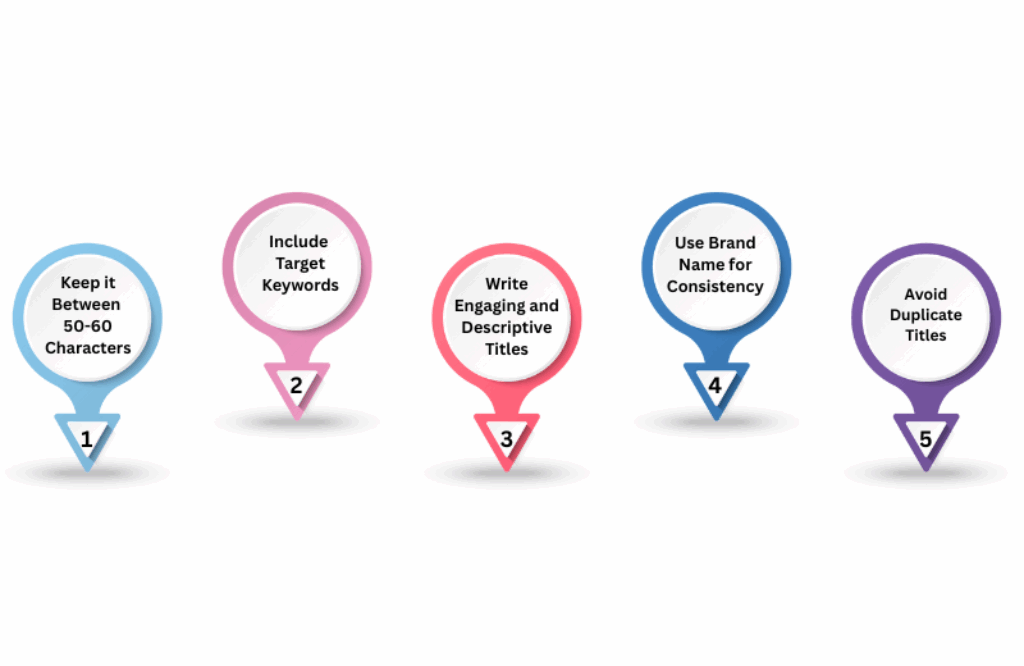
- Craft keyword-rich title tags that clearly describe the page topic
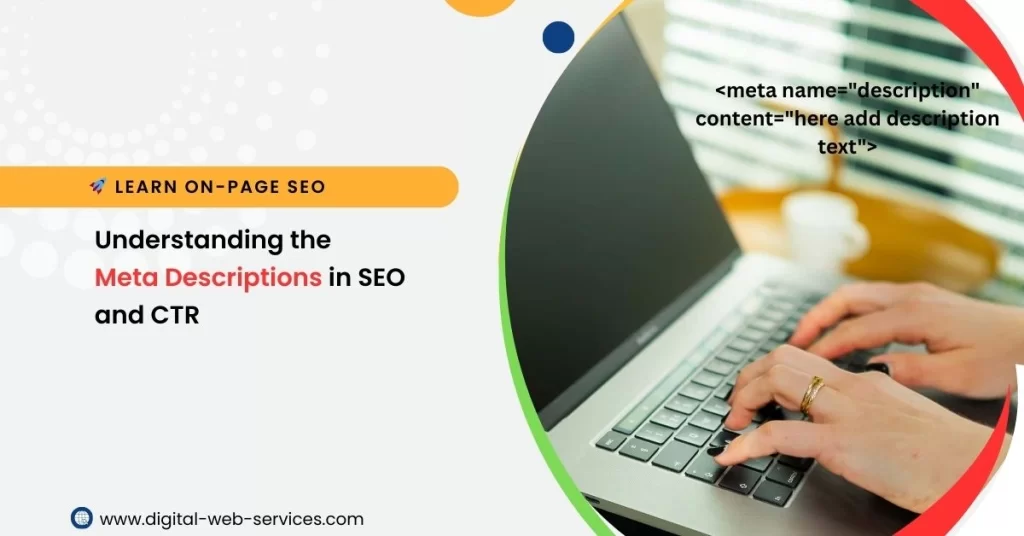
- Write compelling meta descriptions that encourage users to click from search results.
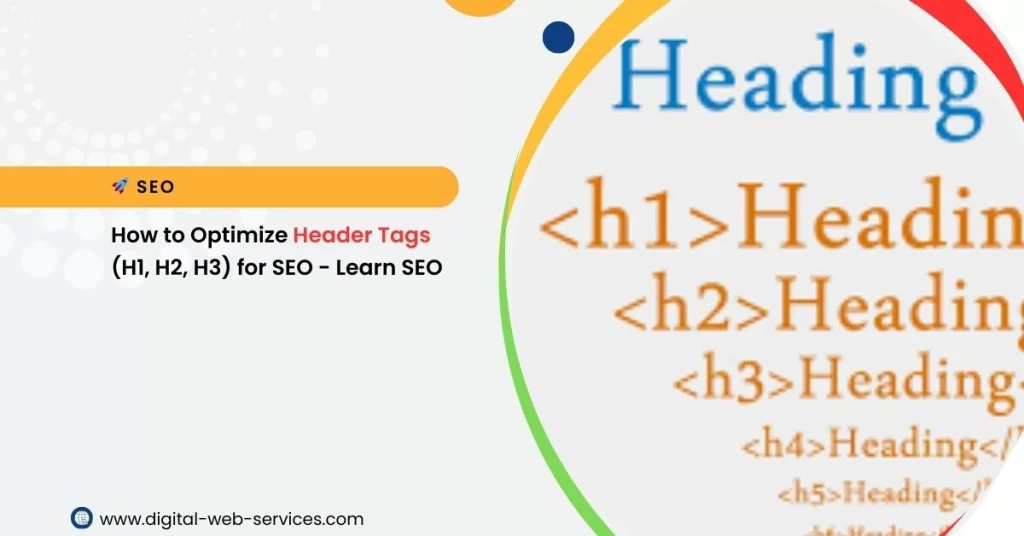
- Use proper headings (H1, H2, H3, etc.) to organize your content and improve readability.
- Optimize your URLs to be short, relevant, and keyword-friendly.
- Add internal links to guide users to other important pages on your site.
- Include relevant external links to trustworthy sources to boost credibility.
Key Factors in On-Page SEO
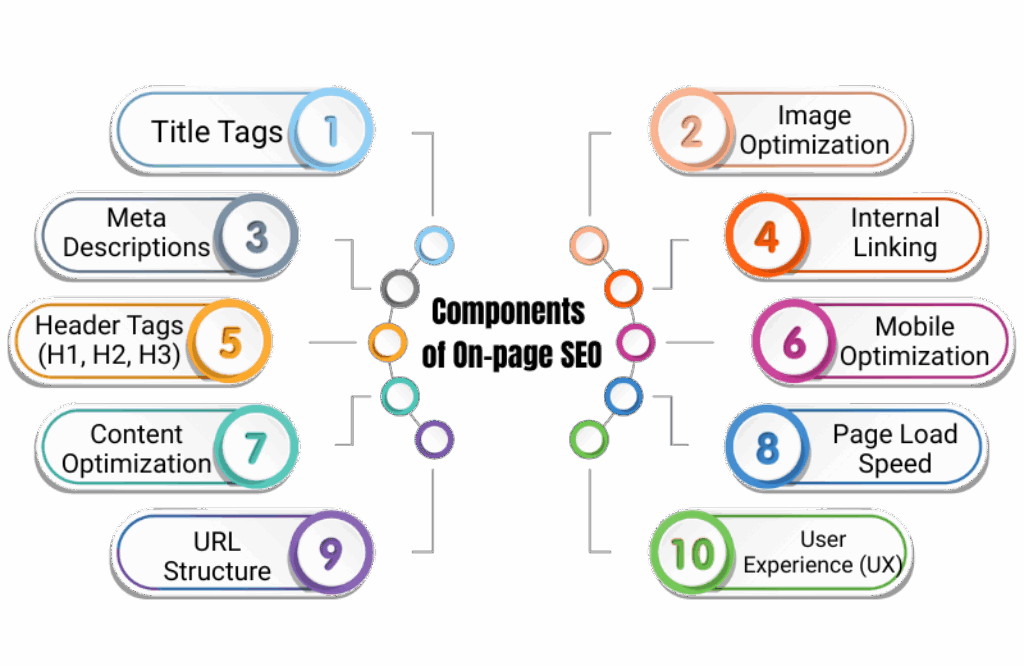
Here are the most important aspects of On-Page SEO that you need to focus on:
1. Title Tags
The title tag is one of the most important on-page factors. It tells both users and search engines what the page is about. Ensure your title is compelling and includes your target keyword. Keep it under 60 characters to avoid truncation in search results.
2. Meta Descriptions
Meta descriptions appear below your title tag in search results. While they don’t directly impact rankings, they can influence click-through rates. Write clear, concise meta descriptions that summarize the content and include your target keywords.
3. Header Tags (H1, H2, H3…)
Use header tags to structure your content logically. Your H1 tag should include the main keyword, and subsequent tags (H2, H3, etc.) should break down the content into readable sections. Proper use of headers improves both user experience and SEO.
4. Keyword Optimization
Strategically placing your target keywords throughout your content is essential. However, avoid keyword stuffing. Use natural language and make sure your keywords appear in the title, headers, and body content.
5. URL Structure
Keep URLs simple, descriptive, and readable. Ideally, your URL should contain the primary keyword and avoid long, complex strings of numbers or unnecessary words.
6. Image Optimization
Images are crucial for user engagement, but they can slow down page load times. Optimize your images by compressing them and using descriptive file names and alt text to improve both SEO and accessibility.

7. Internal Linking
Internal linking helps search engines understand the structure of your website and keeps users engaged. Link relevant pages to each other within your website to improve user experience and distribute link equity.
8. Mobile-Friendliness
More than half of web traffic now comes from mobile devices. Ensure that your website is mobile-friendly by using a responsive design. Google also considers mobile usability as a ranking factor.
9. Page Load Speed
A slow website can drive users away and hurt your rankings. Optimize page load times by minimizing HTTP requests, using compressed images, and leveraging browser caching.
10. Content Quality
Above all, high-quality, relevant content is crucial. Search engines prioritize content that provides value to users. Regularly update your content to keep it fresh, accurate, and aligned with your audience’s needs.

Digital Web Services is the best outsourcing IT Company and they are offering Web development, digital marketing services and IT consulting services globally. DWS has a great experience with globally successful projects and they are also passionate about business development, lead generation, and online marketing via their quality of services & solutions. Know more…



Video Editing Tools With Exclusive Offers
Online Courses (Learn Anything)
Affordable Web Hosting Services
Manage Multiple Online Accounts
Get In Touch 24/7
💌Email:- info@digital-web-services.com