- Account Structure
Learn how Google Ads is organized: Account → Campaigns → Ad Groups → Ads & Keywords.
A clean structure makes management, tracking, and optimization easier. - Keyword Research
Use tools like Google Keyword Planner to find relevant, high-intent keywords. Focus on search volume, competition, and cost-per-click (CPC). - Match Types
Understand the difference between Broad Match, Phrase Match, and Exact Match. These control how closely a user’s search must match your keywords to trigger your ad. - Ad Copy Quality
Write clear, engaging headlines and descriptions. Include keywords, a strong call to action, and align ad text with your landing page. - Ad Extensions
Add sitelinks, callouts, structured snippets, and call extensions. They improve visibility and click-through rates (CTR). - Quality Score
Google rates your keywords based on relevance, CTR, and landing page experience. A higher score lowers CPC and improves ad ranking. - Bidding Strategies
Start with manual CPC for control, then test automated strategies like Maximize Conversions or Target CPA as you gain data. - Budget Management
Set daily budgets that align with campaign goals. Monitor performance regularly to prevent overspending on low-performing ads. - Landing Page Experience
Make sure your landing page loads fast, matches your ad’s message, and guides visitors to take action (buy, sign up, etc.). - Conversion Tracking
Set up conversion tracking using Google Tag Manager or Google Analytics to measure real performance, not just clicks.

Learn Google Ads with Digital Web Services
Ultimate Guide to Mastering Google Ads

Welcome to Digital Web Services! Whether you’re just starting with Google Ads or looking to refine your strategies, our comprehensive guides, tips, and expert insights will help you optimize your campaigns for success. Google Ads is a powerful tool for growing your business online, and we’re here to guide you through every step of the journey.
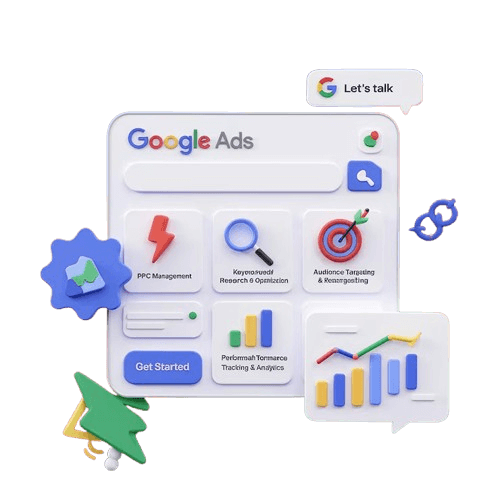
Explore Top Google Ads Insights from Our Featured Post
Here, we are regular sharing posts, expert tips, or case studies related to Google Ads
What is Google Ads, and How Does It Work?

Major Google Ads PPC Issues and How to Fix Them
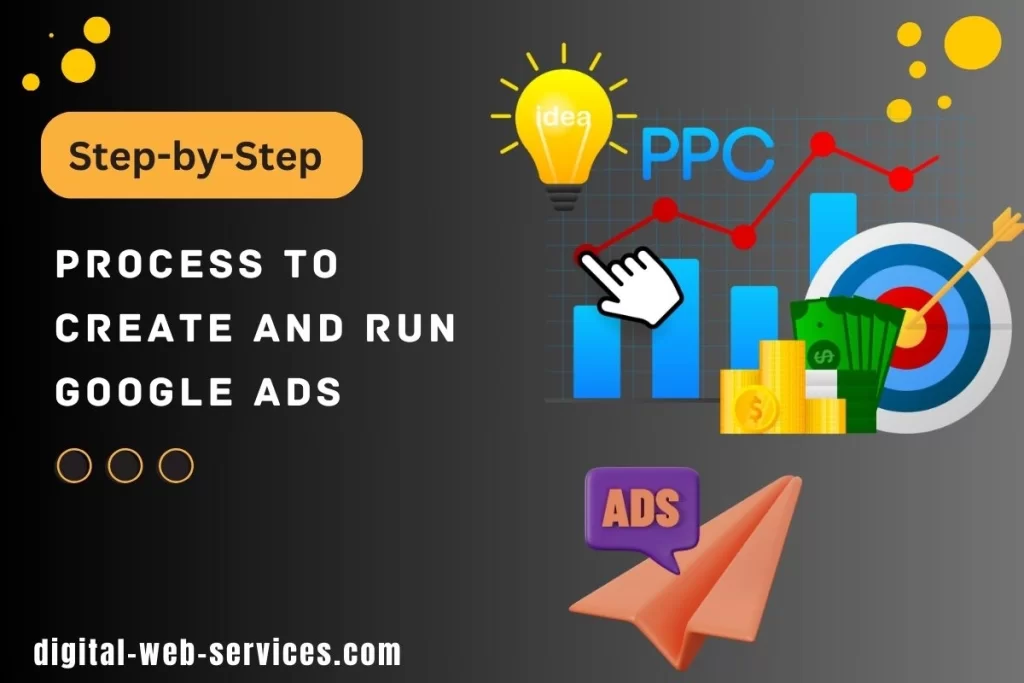
Step-by-Step Process to Create and Run Google Ads
Step-by-step Guide to launch your first Google Ads campaign
Google Ads is one of the most powerful advertising platforms, but it can be overwhelming for those just starting. Here’s a step-by-step guide to help you launch your first Google Ads campaign:
- Setting Up Your Google Ads Account: Create your Google Ads account by visiting the Google Ads website. Set up your billing information, business details, and payment methods.
- Creating a Campaign: Understand the different types of Google Ads campaigns, such as Search, Display, and Video campaigns. Choose the right type of campaign based on your business goals.
- Keyword Research: Learn how to select the best keywords for your target audience. Use the Google Keyword Planner tool to find high-traffic, relevant keywords for your ads.
- Writing Compelling Ad Copy: Craft ads that capture attention and encourage clicks. Focus on clear messaging, value propositions, and strong calls-to-action.
- Setting Your Budget and Bidding Strategy: Decide how much you want to spend on ads and select a bidding strategy (manual or automated).
- Tracking and Optimizing Performance: Learn how to track conversions, adjust bids, and optimize your campaign for better results.
Important key Factors Of Google Ads
For Beginners:

For Advanced Learners:
- Audience Targeting
Go beyond keywords. Use custom audiences, remarketing lists, and demographic targeting to reach the right users at the right time. - A/B Testing (Ad Experiments)
Test variations of ads, landing pages, or bidding strategies to see what improves conversion rates and ROI. - Smart Campaigns & AI Automation
Leverage Google’s machine learning for automated bidding, responsive search ads, and Smart Shopping campaigns. - Attribution Modeling
Move beyond “last-click” attribution to models like data-driven attribution to understand how different touchpoints contribute to conversions. - Performance Analysis & Optimization
Regularly analyze metrics such as CTR, CPC, conversion rate, and ROI. Use insights to pause underperforming ads and scale winners.
Google Ads FAQs

Google Ads is an online advertising platform that allows businesses to display ads on Google search results, websites, YouTube videos, and other Google services. It’s a pay-per-click (PPC) model where advertisers only pay when users click on their ads.
The cost of Google Ads varies depending on factors such as your bidding strategy, keyword competition, and the industry you’re in. You can set a daily budget to control your spending, and costs are generally based on an auction system.
To improve your campaign, focus on optimizing your keywords, ad copy, landing pages, and targeting options. Additionally, using A/B testing and analyzing performance data will help you refine your campaigns over time.
Yes, Google Ads can be useful for a wide range of businesses, from small startups to large enterprises. The key is to target the right keywords and audience and use the appropriate ad formats for your specific goals.
You can track performance by setting up conversion tracking in your Google Ads account. This will allow you to measure actions like purchases, sign-ups, and other important activities.
Google Ads is a paid advertising platform where you bid on keywords to display ads in search results. SEO (Search Engine Optimization) is a free, organic strategy focused on improving your website’s ranking in search results through content optimization and other techniques.
Stay Ahead with Digital Web Services To Learn Google Ads and PPC
Mastering Google Ads is crucial to the success of any digital marketing strategy. Whether you’re just starting or already an experienced user, Digital Web Services provides all the Google Ads tools information and knowledge you need to optimize your Google Ads campaigns effectively. Start exploring our resources today and take your digital marketing efforts to new heights!
WHY DIGITAL WEB SERVICES ?
Digital Web Services is the best outsourcing IT Company and they are offering Web development, digital marketing services and IT consulting services globally. DWS has a great experience with globally successful projects and they are also passionate about business development, lead generation, and online marketing via their quality of services & solutions. Know more…



RECOMMENDED RESOURCES
Video Editing Tools With Exclusive Offers
Online Courses (Learn Anything)
Affordable Web Hosting Services
Manage Multiple Online Accounts
Get In Touch 24/7
💌Email:- info@digital-web-services.com