
AI SEO Services for GEO and AEO
Learn AI SEO and How Can It Help Your Business Appear in AI Search Results

AI SEO is the next evolution of search engine optimization. It helps your website content become more visible, understandable, and trustworthy for AI-powered search experiences such as Google AI Overviews, Answer Engines, ChatGPT-style search, voice search, and traditional organic results. At Digital Web Services, we help businesses optimize their content, structure, schema, topical authority, and E-E-A-T signals so they can increase their chances of being discovered, cited, and trusted by both users and AI search systems.
Explore The Top AI SEO Insights from Our Featured Post
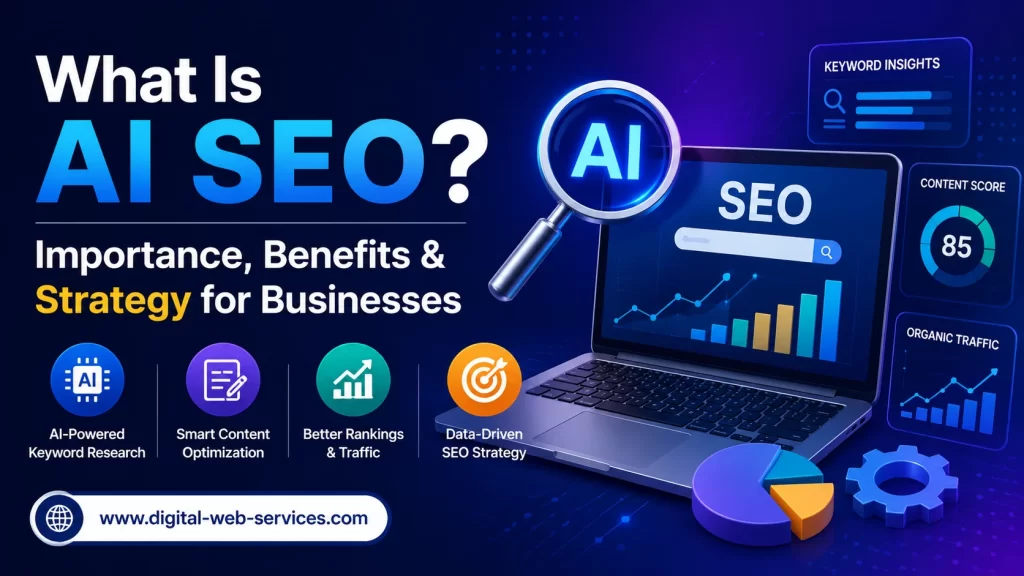
AI SEO means optimizing your website so that search engines and AI-powered platforms can easily understand, summarize, and recommend your content. Traditional SEO focuses on ranking web pages in search results. AI SEO goes one step further. It focuses on helping your content appear in AI-generated answers, featured snippets, AI Overviews, voice search responses, and conversational search platforms.
What Is AI SEO?
AI SEO Vs Traditional SEO
Generative Engine Optimization (GEO)
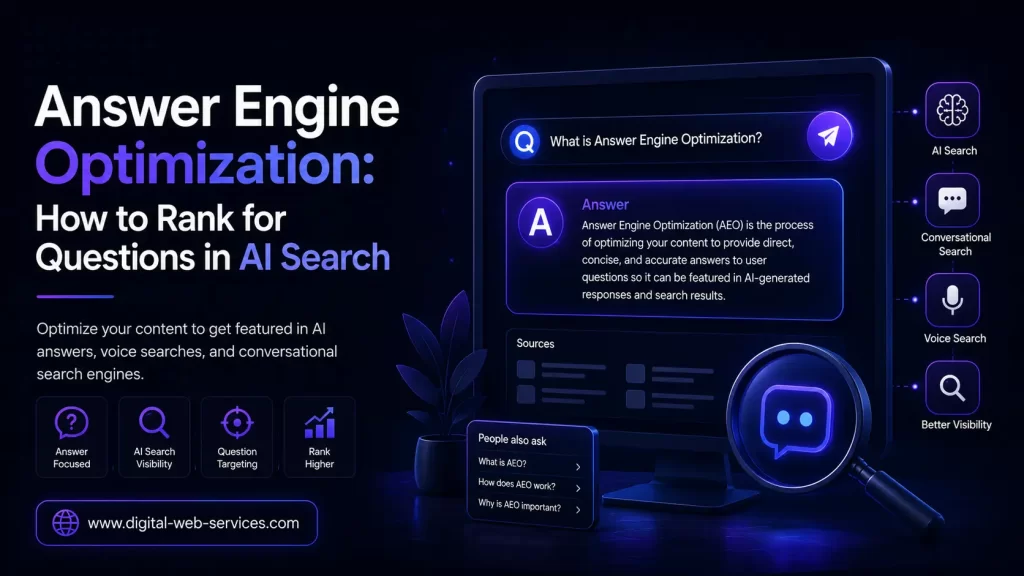
Answer Engine Optimization (AEO)
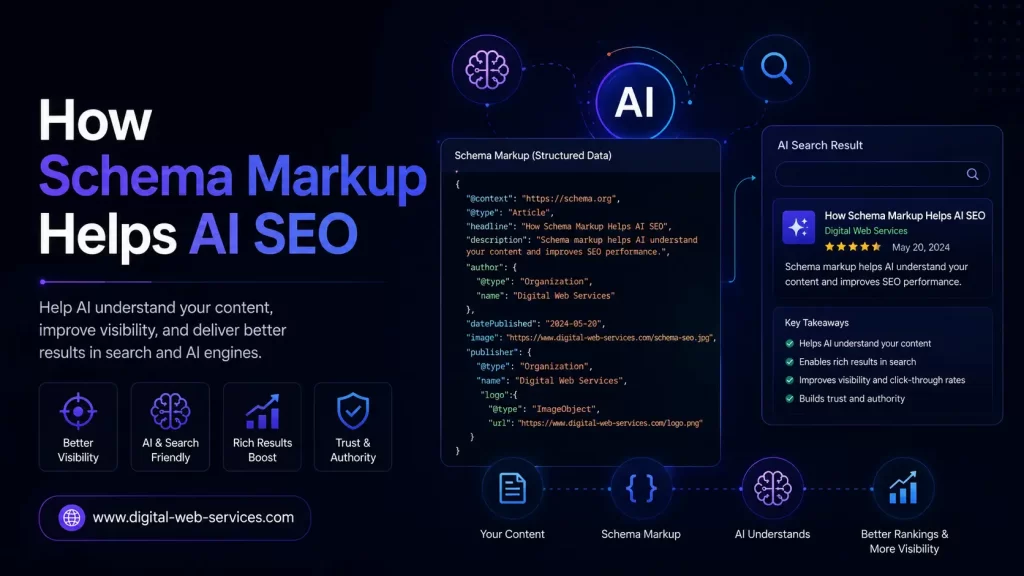
How Schema Markup Helps AI SEO
Optimize Content for Google AI Overviews
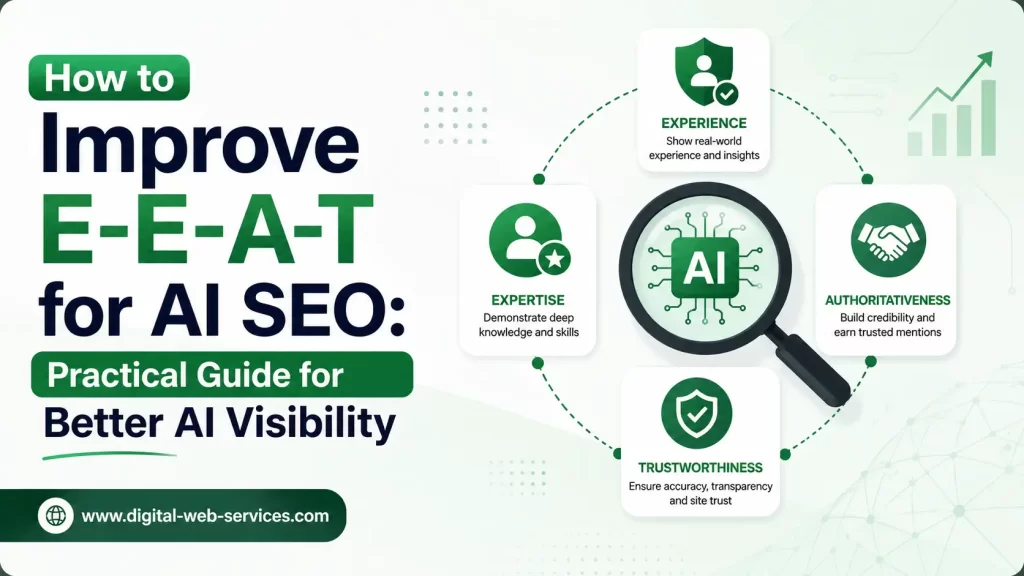
Improve E-E-A-T for AI SEO
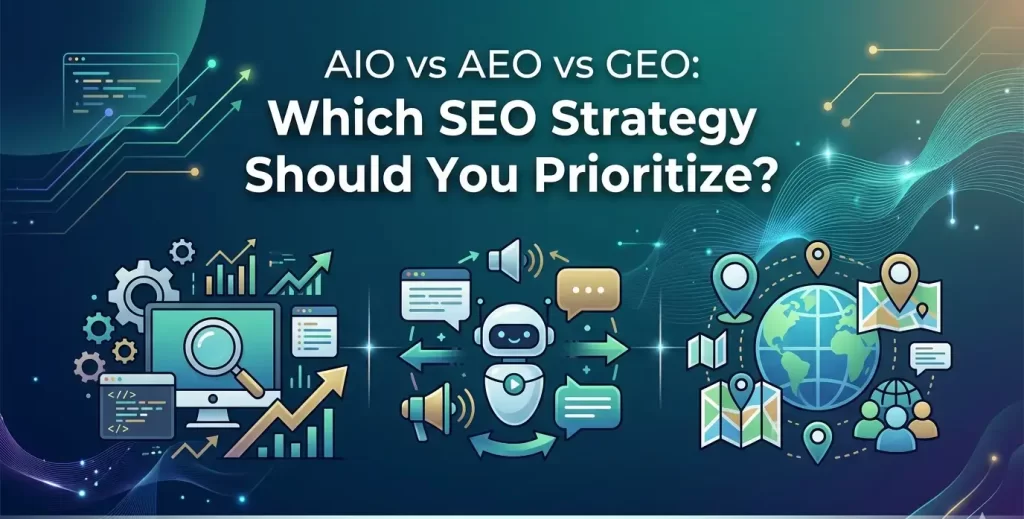
AIO vs AEO vs GEO
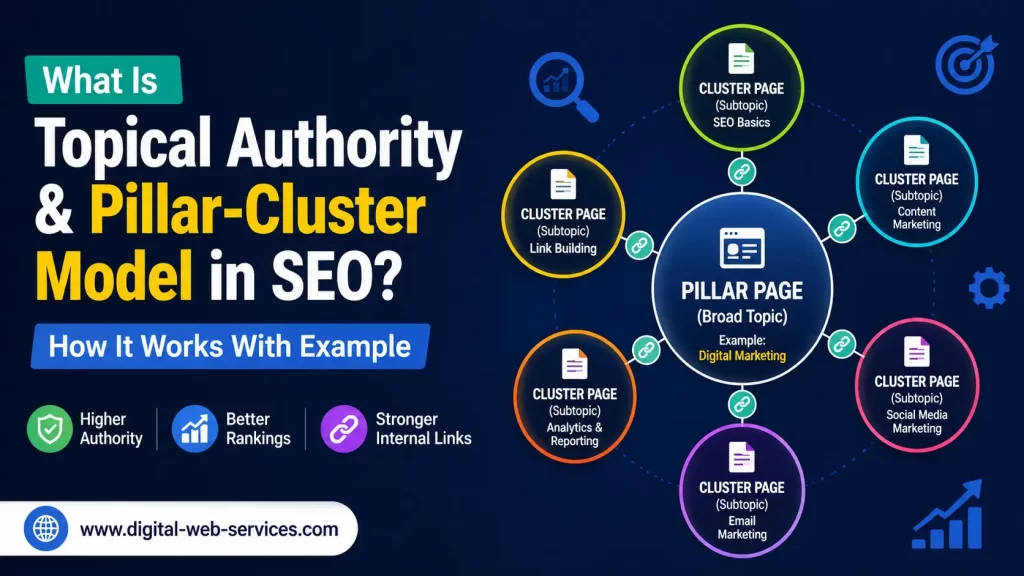
Topical Authority and Pillar-Cluster Model
What Is AI SEO?
In simple words, AI SEO helps your website become the best possible answer for the questions your customers are asking online.
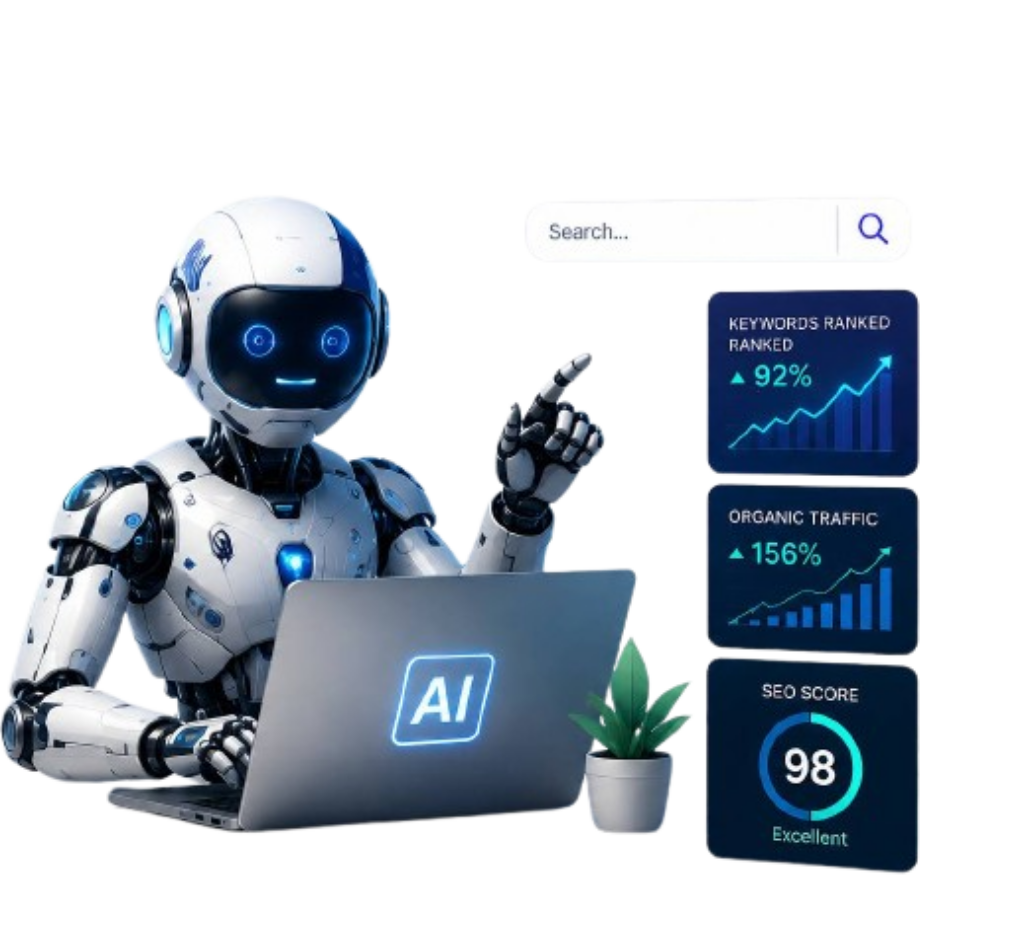
AI SEO means optimizing your website so that search engines and AI-powered platforms can easily understand, summarize, and recommend your content.
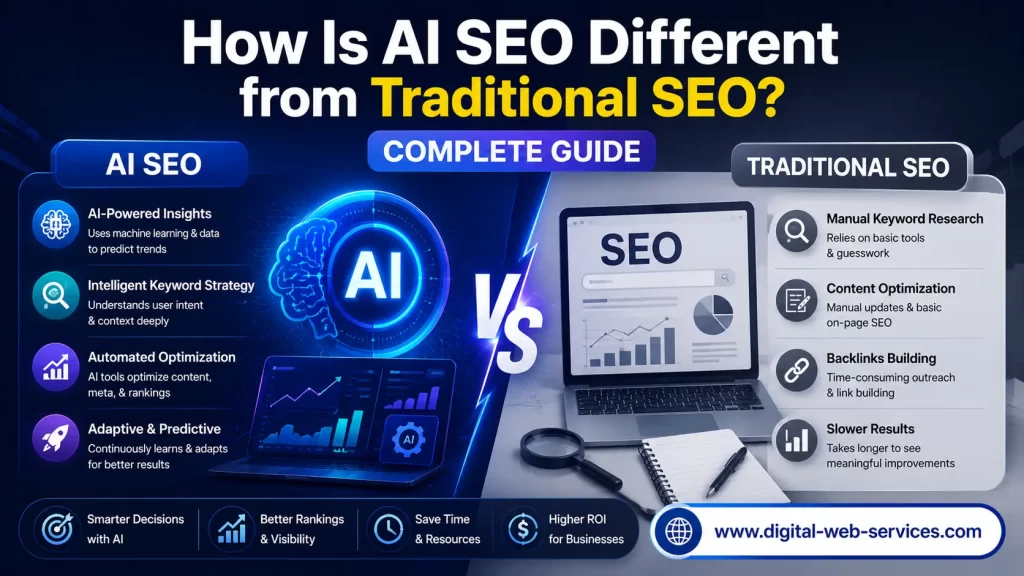
Traditional SEO focuses on ranking web pages in search results. AI SEO goes one step further. It focuses on helping your content appear in AI-generated answers, featured snippets, AI Overviews, voice search responses, and conversational search platforms.
AI SEO includes:
- Generative Engine Optimization
- Answer Engine Optimization
- Semantic SEO
- Entity-based SEO
- Structured data and schema markup
- Helpful content optimization
- Topical authority building
- E-E-A-T improvement
- Search intent optimization
- Conversational keyword targeting
Why Does AI SEO Matter for Modern Businesses?
Search is changing fast. Users no longer search only with short keywords like “SEO company” or “digital marketing agency.” They now ask complete questions such as:
▸ Which SEO agency can help my business appear in AI Overviews?
▸ How can I optimize my website for ChatGPT and Google AI search?
▸ What is Generative Engine Optimization?
▸ How do I make my content appear in answer engines?
▸ Is traditional SEO still important after AI search?

AI search engines try to give direct, useful, and summarized answers. This means your content must be clear, structured, trustworthy, and easy for machines to understand.
If your content is not optimized for AI search, your competitors may appear in AI-generated answers while your website remains invisible.
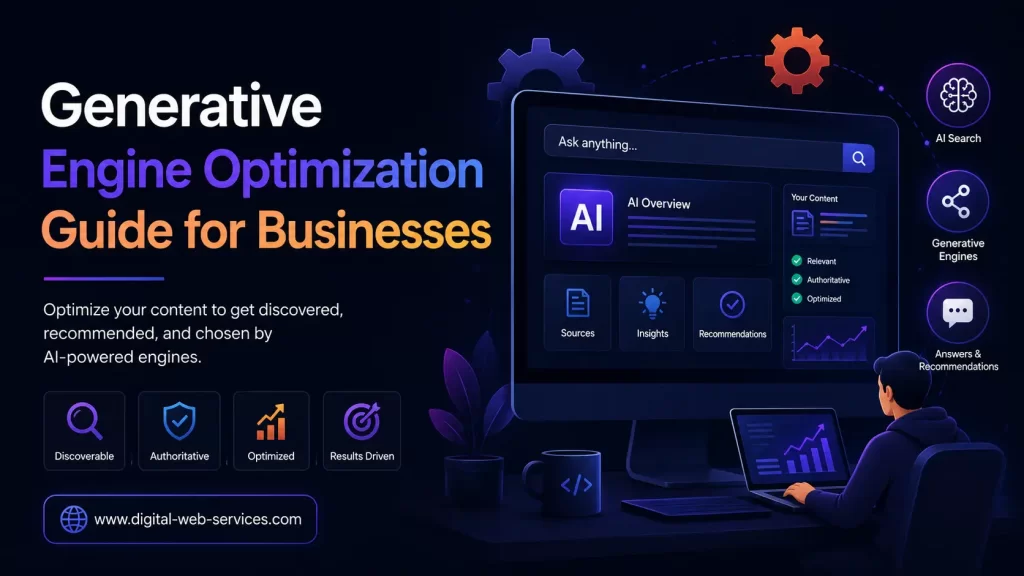
What Is Generative Engine Optimization?
Generative Engine Optimization, also called GEO, is the process of optimizing content so generative AI platforms can understand, trust, summarize, and reference it.
GEO focuses on making your content useful for AI systems that generate answers. These platforms may include Google AI Overviews, Gemini, ChatGPT, Perplexity, Copilot, and other AI-powered search tools.
GEO is not about tricking AI tools. It is about becoming a reliable source that AI systems can understand and users can trust.
A strong GEO strategy includes:
1. Clear question-based headings
2. Direct answers in the first few lines
3. Original insights and expert explanations
4. Data, examples, and practical workflows
5. Strong internal linking
6. Author credibility
7. Entity optimization
8. Schema markup
9. Updated and fact-checked content
10. Content written for user intent, not only keywords
What Is Answer Engine Optimization?
Answer Engine Optimization, or AEO, is the process of structuring your content so it can answer user questions clearly and quickly.
AEO is useful for:
1. Featured snippets
2. People Also Ask results
3. Voice search
4. AI Overviews
5. Chatbot search results
6. Conversational queries
7. Zero-click search results
answer engines to understand.
Frequently Asked Questions About AI SEO
AI SEO is the process of optimizing website content so it can perform better in AI-powered search results, Google AI Overviews, answer engines, voice search, and traditional organic search.
Generative Engine Optimization is a strategy that helps your content become easier for AI systems to understand, summarize, and reference in generated answers.
Answer Engine Optimization focuses on creating direct, clear, and structured answers for user questions so your content can perform better in featured snippets, People Also Ask, voice search, and AI search results.
Yes. Traditional SEO focuses mainly on rankings, keywords, backlinks, and technical performance. AI SEO includes those areas but also focuses on entities, answer quality, schema, topical authority, and E-E-A-T signals.
AI SEO can improve your chances by making your content helpful, structured, trustworthy, and relevant. However, no SEO agency can guarantee placement in AI Overviews.
Question-based headings match how users search online. They also make it easier for search engines and AI systems to understand the main question your content answers.
Schema markup helps search engines understand your page content more clearly. It can support SEO, rich result eligibility, and better content interpretation when used correctly.
Useful schema types may include Organization, LocalBusiness, WebPage, Article, FAQPage, Service, BreadcrumbList, and Review schema, depending on the page content.
AI SEO usually takes time because it involves content improvement, technical optimization, authority building, and search engine re-crawling. Many websites start seeing early improvements within a few weeks to a few months, depending on competition and website condition.
Yes. Small businesses can use AI SEO to target long-tail keywords, local searches, question-based queries, and service-related searches that help attract qualified leads.
No. AI SEO can be applied to service pages, landing pages, product pages, local pages, case studies, FAQs, and complete website content strategies.
Digital Web Services can audit your website, optimize your content, add schema markup, improve E-E-A-T signals, create AI-friendly content, and build a complete SEO strategy for modern search.
Digital Web Services is the best outsourcing IT Company and they are offering Web development, digital marketing services and IT consulting services globally. DWS has a great experience with globally successful projects and they are also passionate about business development, lead generation, and online marketing via their quality of services & solutions. Know more…



Video Editing Tools With Exclusive Offers
Online Courses (Learn Anything)
Affordable Web Hosting Services
Manage Multiple Online Accounts
Get In Touch 24/7
💌Email:- info@digital-web-services.com