
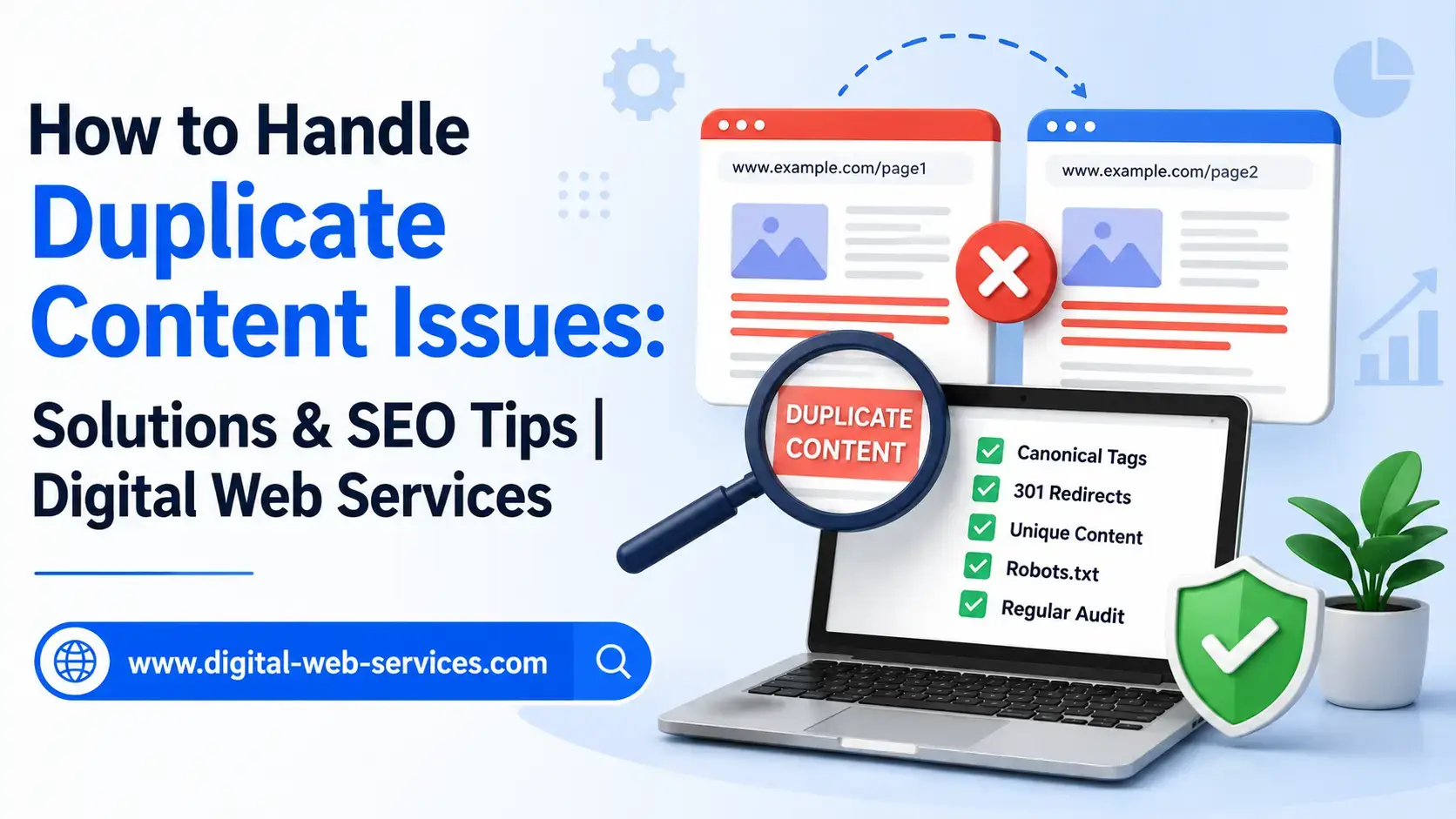
Understanding Duplicate Content Issues
Duplicate content refers to content that appears in more than one location on the internet, either on the same site or across different domains. While it’s not always intentional, duplicate content can create confusion for search engines like Google, making it unclear which version of the content should be indexed. This can lead to penalties and a decrease in search engine rankings.
Why Duplicate Content Matters for SEO
Duplicate content can affect your site’s SEO in several ways:
Search Engine Ranking Issues
When search engines find identical content on multiple pages, they may choose to index only one version, which means the other pages won’t rank. This can lead to missed opportunities to capture organic traffic.
Link Equity Dilution
If duplicate content is spread across different pages or domains, it can dilute the link equity. Backlinks pointing to different versions of the same content won’t be as effective in boosting your site’s SEO performance.
Poor User Experience
Visitors might feel confused or frustrated when they encounter identical content across multiple pages. This can lead to higher bounce rates, which negatively impacts SEO.
How to Identify Duplicate Content
Before resolving the issue, you need to identify where the duplicate content exists. Here are some ways to do that:
Google Search Operators
Use Google search operators like “site:yourdomain.com” to see what content appears multiple times on your site.
SEO Tools
Use SEO audit tools like Screaming Frog, Ahrefs, or SEMrush to scan your website for duplicate content. These tools will highlight exact duplicates, near-duplicates, and content that appears to be copied from other domains.
Copyscape
This tool can help you identify if your content is being copied by other websites.
Solutions to Handle Duplicate Content
Use Canonical Tags
A canonical tag tells search engines which version of the page is the “primary” one, helping to consolidate duplicate content. By adding a canonical tag to the duplicate pages, you direct search engines to index the original version.
301 Redirects
If you have multiple pages with identical content, implementing a 301 redirect from the duplicate pages to the original page can help resolve the issue and consolidate ranking signals.
Noindex Tags
For pages with duplicate content that you do not want indexed, adding a “noindex” meta tag can prevent them from appearing in search results. This is useful for pages like thank you pages or print versions of content.
Rewrite or Consolidate Content
If duplicate content is an ongoing issue, consider rewriting or consolidating content to make each page unique and valuable to your audience. This improves the quality of your content and ensures a better user experience.
Avoid Content Scraping
Monitor your website for content scraping—when other websites copy your content. Use tools like Copyscape to ensure no one is stealing your content, and consider setting up alerts for plagiarism.
Best Practices to Prevent Duplicate Content
Consistent URL Structure
Make sure your website’s URL structure is consistent, particularly for pages that may have similar or identical content. Avoid having both “http” and “https” versions of your site, and use proper redirects.
Proper Use of Pagination
If your site uses pagination (e.g., for product categories or blog archives), ensure that rel=”next” and rel=”prev” tags are implemented correctly to show search engines that the pages are part of a series, not individual duplicates.
Unique Meta Descriptions and Titles
Always create unique meta descriptions and titles for each page. This prevents search engines from seeing your pages as duplicate content and improves your click-through rate (CTR).
Learn Off-Page SEO with Digital Web Services
Handling duplicate content is just one aspect of maintaining a successful SEO strategy. To improve your site’s ranking, it’s important to understand off-page SEO factors like link building, social signals, and online reputation management. Learn off-page SEO with Digital Web Services, where we offer tailored strategies to boost your online visibility and help you achieve better search engine rankings.
Conclusion
Dealing with duplicate content is essential to maintaining a healthy SEO strategy. Whether through canonical tags, redirects, or content modification, addressing duplicate content will help you improve your search rankings, enhance user experience, and ensure that your site is fully optimized for success.
By staying proactive about duplicate content and continuing to optimize your website, you can set the foundation for long-term SEO success.

Maria Jain is a Senior Content Strategist and Tech Editor at Digital Web Services, with over 6+ years of experience covering digital marketing, website development, and search engine optimization. She specializes in WordPress site architecture, AI technologies, Web Hosting, topical authority models, and hands-on SaaS & affiliate tool reviews. Maria combines data-driven SEO practices with deep web design and technical insights to publish transparent guides, tool comparisons, and strategic tutorials for digital growth.