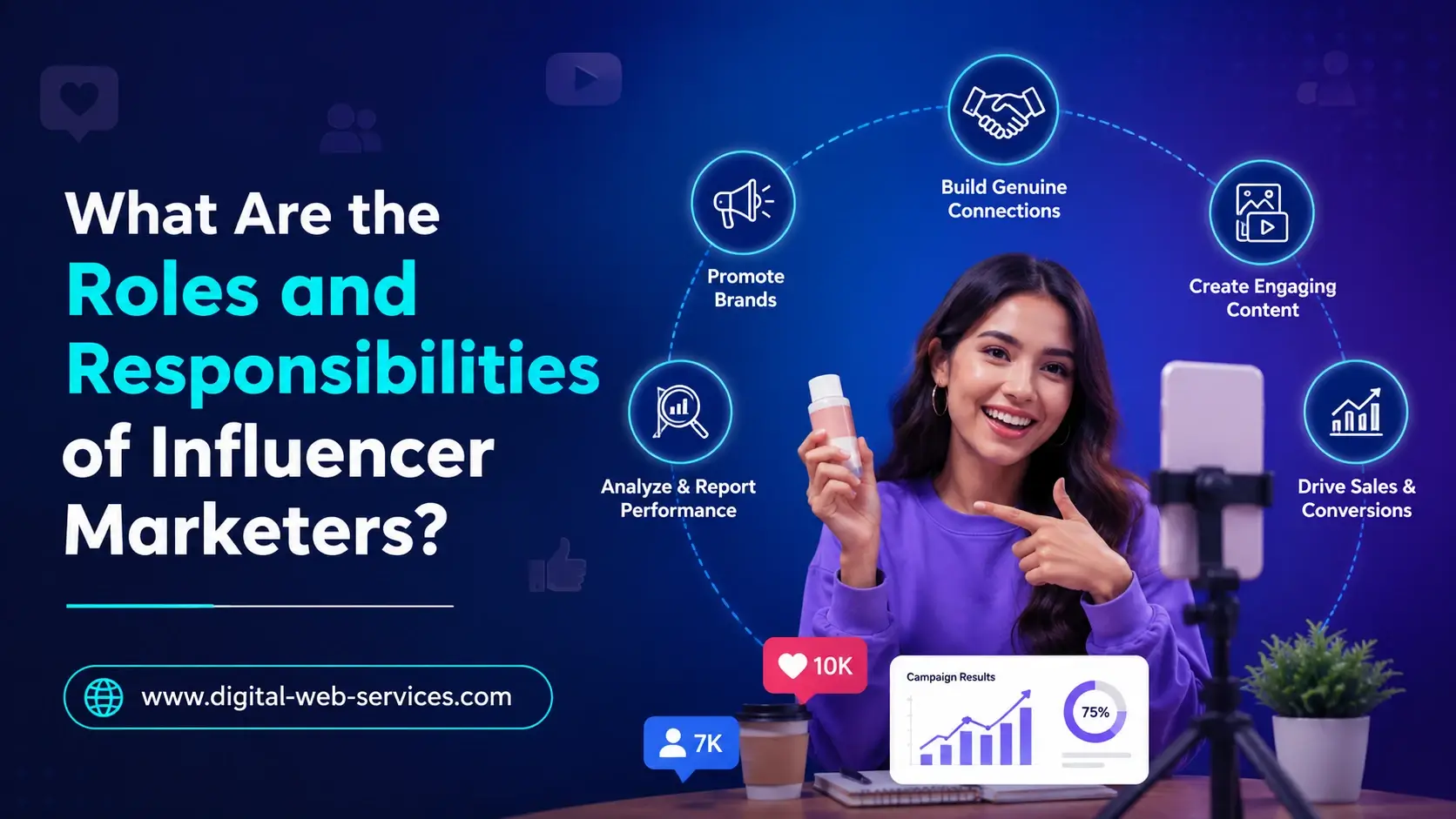
Influencer marketers are professionals who plan, manage, and measure partnerships between brands and influencers, creators, KOLs, and online communities. Their main role is to choose the right creators, build campaign strategies, negotiate deals, guide content, protect brand reputation, and track results such as reach, engagement, clicks, conversions, and ROI. A good influencer marketer does more than send products or pay for posts. They connect brand goals with creator trust, making sure every collaboration feels authentic, legally disclosed, and useful for the audience. Their responsibilities include influencer research, outreach, relationship management, content briefing, campaign execution, contract handling, performance reporting, trend tracking, and cross-team communication. In simple words, influencer marketers help brands grow awareness, trust, traffic, and sales through creator-led content.
Why Are Influencer Marketers Important for Brands Today?
Influencer marketing has become a serious marketing channel, not just a small social media activity. IAB reported that U.S. creator economy ad spend was projected to reach $37 billion in 2025, growing faster than the overall media industry, which shows how important creator partnerships have become for modern brands.
Brands use influencer marketers because customers often trust real people more than direct advertising. Influencers can explain a product in a simple, personal, and relatable way. This helps brands reach new audiences, build trust, improve engagement, and drive sales.
An influencer marketer makes sure this process is planned properly. Without a clear strategy, brands may choose the wrong influencers, waste budget, receive low-quality content, or face legal and reputation risks.
What Does an Influencer Marketer Do?
An influencer marketer manages the complete creator partnership process from start to finish. This includes finding influencers, checking their audience quality, contacting them, negotiating terms, creating briefs, reviewing content, tracking performance, and improving future campaigns.
The role is also known as:
- Influencer marketing manager
- Influencer marketing specialist
- Creator partnership manager
- Influencer campaign manager
- KOL marketing specialist
- Creator marketing manager
The exact job title may change, but the main purpose stays the same: to connect brands with the right creators and turn influencer content into measurable business results.
What Are the Main Roles and Responsibilities of Influencer Marketers?
Here is an easy-to-read list of the most important influencer marketing roles and responsibilities.
| Role / Responsibility | What It Means |
|---|---|
| Influencer marketing strategy | Planning how influencer campaigns will support brand goals |
| Influencer research | Finding creators who match the brand, audience, niche, and budget |
| Influencer vetting | Checking engagement rate, audience quality, fake followers, content style, and reputation |
| Outreach and communication | Contacting influencers, talent managers, creators, and agencies |
| Relationship management | Building long-term creator partnerships instead of one-time deals |
| Campaign planning | Creating timelines, goals, content ideas, platforms, and deliverables |
| Contract negotiation | Discussing payment, content rights, deadlines, usage rights, and terms |
| Content briefing | Giving creators clear campaign instructions without killing their creativity |
| Content review | Checking if content follows brand guidelines, messaging, quality, and legal rules |
| Compliance and disclosure | Making sure sponsored content is clearly disclosed as paid or gifted |
| Campaign execution | Managing posting schedules, approvals, deliverables, and live campaign activity |
| Budget management | Controlling influencer fees, product seeding costs, paid boosting, and tools |
| Performance tracking | Measuring reach, impressions, engagement, clicks, conversions, sales, and ROI |
| Reporting | Sharing campaign results, learnings, and recommendations with the brand team |
| Trend tracking | Watching platform trends, creator trends, audience behavior, and algorithm changes |
| Cross-team coordination | Working with social media, PR, creative, ecommerce, paid ads, and brand teams |
How Does an Influencer Marketer Build an Influencer Marketing Strategy?
An influencer marketer starts with the business goal. The campaign should not begin with “find influencers.” It should begin with a clear answer to this question: What should this campaign achieve?
Common influencer marketing goals include:
- Brand awareness
- Product launch visibility
- Website traffic
- App downloads
- Lead generation
- Sales and conversions
- User-generated content
- Community growth
- Brand trust
- Event promotion
- Affiliate revenue
After the goal is clear, the influencer marketer decides the campaign type. For example, a beauty brand may use micro influencers for honest product reviews, while a tech brand may use YouTube creators for detailed product explainers.
A strong influencer marketing strategy usually includes:
- The target audience
- The right social media platforms
- The influencer type: nano, micro, mid-tier, macro, or celebrity
- The content format: Reel, TikTok, YouTube video, blog, live stream, story, or carousel
- The campaign message
- The posting timeline
- The budget
- The KPIs
- The reporting process
This planning stage is important because influencer marketing works best when creators are matched with the right audience and campaign purpose.
How Do Influencer Marketers Find the Right Influencers?
Influencer identification is one of the biggest responsibilities of an influencer marketer. A creator with many followers is not always the best choice. The right influencer is someone whose audience, content style, values, and engagement match the brand.
Influencer marketers usually check:
- Audience demographics
- Engagement rate
- Follower quality
- Niche relevance
- Content quality
- Past brand collaborations
- Comments and community trust
- Posting consistency
- Brand safety
- Creator reputation
- Platform performance
- Authenticity of reviews
- Audience location
- Cost per deliverable
- Conversion potential
Micro influencers and nano influencers are often useful because they usually have focused communities and stronger audience relationships. HubSpot’s 2025 social media trend coverage notes that marketers are seeing strong results from smaller influencers because their niche communities can be more engaged.
What Is Influencer Vetting and Why Is It Important?
Influencer vetting means checking whether a creator is safe, relevant, and valuable for the brand. This step protects the brand from poor results and reputation problems.
A good influencer marketer does not only look at follower count. They check whether the followers are real, whether comments look natural, whether the creator’s past content fits the brand, and whether the creator has any history that could damage brand trust.
For example, if a fitness brand hires a creator who promotes unhealthy shortcuts, the campaign may harm the brand’s credibility. If a finance brand works with a creator who makes misleading claims, the risk is even higher.
Influencer vetting helps answer:
- Is this creator trusted by their audience?
- Does this creator’s content match our brand values?
- Are their followers real and relevant?
- Can this creator explain our product clearly?
- Will this partnership feel natural or forced?
- Is there any legal, ethical, or brand safety concern?
How Do Influencer Marketers Manage Creator Relationships?
Relationship management is a major part of influencer marketing. The best influencer marketers treat creators like partners, not just advertising space.
Creators understand their audience better than most brands do. So, influencer marketers need to give clear direction while also allowing creative freedom. This balance helps content feel real instead of over-scripted.
Good relationship management includes:
- Clear communication
- Respectful negotiation
- Fast responses
- Realistic deadlines
- Simple briefs
- Timely payments
- Constructive feedback
- Long-term partnership planning
- Fair usage rights
- Professional conflict handling
Sprout Social’s influencer marketing research highlights that creators often want stronger long-term collaborations and earlier involvement in creative planning, which supports the idea that influencer marketers should build partnerships, not just transactions.
What Is the Role of an Influencer Marketer in Campaign Management?
Influencer campaign management is the process of taking a campaign from idea to result. This is where planning becomes action.
A typical influencer campaign workflow looks like this:
- Set campaign goals
- Define target audience
- Choose platforms
- Shortlist influencers
- Vet creators
- Contact influencers
- Negotiate terms
- Finalize contracts
- Send product or campaign brief
- Review content concepts
- Approve final content
- Publish content
- Monitor live performance
- Collect reports
- Analyze ROI
- Improve the next campaign
This workflow helps brands avoid confusion. It also makes sure creators know exactly what to deliver, when to post, what hashtags or links to use, and how success will be measured.
What Should Be Included in an Influencer Campaign Brief?
A campaign brief is one of the most important documents an influencer marketer creates. A weak brief leads to weak content. A clear brief helps creators understand the goal without making the content sound robotic.
A good influencer brief should include:
- Brand background
- Campaign goal
- Target audience
- Key message
- Product details
- Content deliverables
- Posting date and time
- Platform requirements
- Dos and don’ts
- Disclosure instructions
- Hashtags and tags
- Tracking links or discount codes
- Visual guidelines
- Approval process
- Payment terms
- Usage rights
- Reporting expectations
The brief should be simple, clear, and creator-friendly. Influencer marketers should avoid giving too many strict lines because audiences can easily notice when sponsored content feels fake.
What Contract and Negotiation Duties Do Influencer Marketers Handle?
Influencer marketers often negotiate with creators, managers, and agencies. This includes payment, deliverables, deadlines, content usage, exclusivity, and performance expectations.
Important contract points include:
- Creator fee
- Number of posts
- Content format
- Posting schedule
- Revision rounds
- Usage rights
- Whitelisting or paid amplification rights
- Exclusivity period
- Disclosure requirements
- Payment timeline
- Cancellation terms
- Performance reporting
- Product gifting details
- Approval process
- Content ownership
For example, a brand may want to use an influencer’s video in paid ads for three months. That should be clearly mentioned in the contract. If not, the brand may face disputes later.
What Content Review Responsibilities Do Influencer Marketers Have?
Influencer marketers review content before it goes live. The goal is not to control every word. The goal is to make sure the content is accurate, brand-safe, legally compliant, and useful for the audience.
They check:
- Is the product shown correctly?
- Is the key message clear?
- Are claims truthful?
- Is the disclosure visible?
- Does the content follow brand guidelines?
- Is the tone natural?
- Are links, tags, and discount codes correct?
- Does the content match the agreed deliverables?
- Is anything misleading or risky?
The FTC says sponsored relationships should be disclosed clearly when there is a material connection such as payment, free products, discounts, employment, family relationship, or other benefits.
What Legal and Disclosure Responsibilities Do Influencer Marketers Have?
Influencer marketers must make sure sponsored content follows advertising rules. This is a trust and compliance responsibility.
For example, creators should not hide disclosures at the end of a long caption or mix them inside many hashtags. The FTC advises that disclosures should be hard to miss, placed with the endorsement message, and written in simple language such as “ad,” “sponsored,” or a clear explanation of the brand relationship.
Influencer marketers should also make sure creators do not make false product claims. For example, a skincare creator should not say a product cures a medical condition unless the brand has proper proof and legal approval.
This responsibility protects the brand, the influencer, and the audience.
What KPIs Should Influencer Marketers Track?
Influencer marketers must measure campaign performance. Without tracking, brands cannot know whether influencer marketing is working.
Common influencer marketing KPIs include:
- Reach
- Impressions
- Engagement rate
- Likes
- Comments
- Shares
- Saves
- Story views
- Click-through rate
- Website traffic
- Landing page visits
- Coupon code usage
- Affiliate sales
- Cost per engagement
- Cost per click
- Cost per acquisition
- Conversion rate
- Revenue
- Return on investment
- Follower growth
- Brand mentions
- Sentiment
- Content quality
- Creator performance
For awareness campaigns, reach and impressions may matter most. For sales campaigns, conversions, revenue, and ROI are more important. For trust-building campaigns, comments, saves, shares, and sentiment can be strong signals.
Sprout Social reported that influencer content affects buying behavior, including purchases inspired by influencers, which is why performance tracking is now a core part of influencer marketing responsibilities.
What Skills Does an Influencer Marketer Need?
An influencer marketer needs both creative and analytical skills. The role is not only about social media. It also includes communication, planning, negotiation, reporting, and leadership.
Important influencer marketing skills include:
- Strong communication
- Negotiation skills
- Relationship building
- Campaign planning
- Social media knowledge
- Content understanding
- Analytical thinking
- Budget management
- Creative thinking
- Problem solving
- Time management
- Leadership
- Reporting skills
- Brand safety awareness
- Legal and disclosure knowledge
- Trend awareness
- Attention to detail
Communication and leadership are especially important. Influencer marketers work with creators, agencies, internal teams, designers, paid media teams, ecommerce teams, and brand managers. They must keep everyone aligned.
What Is a Real Example of Influencer Marketing Responsibilities?
Imagine a skincare brand is launching a new sunscreen. The influencer marketer’s job may look like this:
- First, they define the goal: increase product awareness and drive online sales.
- Next, they choose the target audience: women and men aged 18–35 who care about skincare.
- Then, they find skincare creators on Instagram, YouTube, and TikTok.
- They check engagement rate, content quality, audience location, and past brand deals.
- After shortlisting creators, they negotiate pricing, deliverables, usage rights, and timelines.
- They send the product, campaign brief, key message, and disclosure instructions.
- They review the creator’s video before posting.
- They track views, clicks, sales, comments, and coupon code usage.
- Finally, they prepare a report showing which creator performed best and what should improve next time.
- This is why influencer marketing is both creative and performance-driven.
How Is the Influencer Marketer Role Changing?
The influencer marketer role is changing because creator marketing is becoming more mature. Brands now expect better measurement, stronger creator vetting, authentic content, and clearer ROI.
IAB found that brands are using creators across the funnel, including awareness, reputation, trust, online sales, and conversions. The same report also notes that many brands see creator discovery, measurement, and transparency as key challenges.
AI is also changing influencer marketing workflows. Many teams use AI for creator discovery, brief writing, reporting, content editing, and audience analysis. However, the human side still matters because influencer marketing depends on trust, personal experience, and authentic recommendations.
The future role of influencer marketers will likely focus more on:
- Data-backed creator selection
- Long-term creator partnerships
- AI-assisted workflows
- Better ROI reporting
- Paid amplification of creator content
- Stronger compliance checks
- Community-led campaigns
- Multi-platform influencer strategies
- Authentic product storytelling
What Mistakes Should Influencer Marketers Avoid?
Influencer marketers should avoid these common mistakes:
- Choosing influencers only by follower count
- Ignoring fake followers or low-quality engagement
- Giving creators unclear briefs
- Over-controlling creator content
- Forgetting disclosure rules
- Not tracking campaign results
- Using the same strategy for every platform
- Ignoring audience comments
- Paying without clear deliverables
- Not setting usage rights
- Running one-off campaigns without relationship building
- Focusing only on vanity metrics
- Not reviewing content before posting
- Choosing creators who do not match brand values
The biggest mistake is treating influencer marketing like simple paid posting. It is actually a mix of strategy, relationship management, content planning, compliance, and performance marketing.
How Can Brands Hire a Good Influencer Marketer?
Brands should hire an influencer marketer who understands both people and performance. The person should be comfortable talking to creators, managing timelines, reading analytics, negotiating contracts, and protecting brand reputation.
A strong influencer marketing specialist should be able to:
- Build a campaign strategy
- Find relevant influencers
- Check creator authenticity
- Manage outreach
- Negotiate fairly
- Create clear briefs
- Review sponsored content
- Track KPIs
- Report results
- Improve future campaigns
Brands should also look for someone who understands platforms like Instagram, TikTok, YouTube, LinkedIn, Facebook, Pinterest, and emerging creator platforms.
Final Thoughts: What Is the Main Responsibility of an Influencer Marketer?
The main responsibility of an influencer marketer is to turn creator partnerships into real brand value. They help brands find the right influencers, build trusted relationships, manage campaigns, review content, follow disclosure rules, and measure performance.
A skilled influencer marketer does not only chase viral posts. They create campaigns that feel authentic, protect the brand, support business goals, and give value to the audience.
In simple words, influencer marketers are the bridge between brands and creators. Their work helps brands grow awareness, trust, engagement, traffic, leads, and sales through social media influencers and content creators.
Also read: Roles and Responsibilities of SEO Team Lead in a Company
FAQs About the Roles and Responsibilities of Influencer Marketers
Q: What are the roles and responsibilities of influencer marketers?
Influencer marketers are responsible for planning influencer marketing strategies, finding influencers, managing creator relationships, negotiating contracts, creating briefs, reviewing content, tracking campaign performance, and reporting ROI. They also make sure sponsored content follows brand guidelines and disclosure rules.
Q: What does an influencer marketing manager do?
An influencer marketing manager handles end-to-end influencer campaigns. This includes influencer research, outreach, negotiation, content approval, campaign execution, performance tracking, and reporting. They work with creators to promote brand awareness, engagement, traffic, and sales.
Q: What skills are required for influencer marketing?
Influencer marketing requires communication, negotiation, creativity, campaign management, analytics, social media knowledge, relationship building, leadership, budget management, and reporting skills. A good influencer marketer must understand both creator content and business goals.
Q: What is influencer campaign management?
Influencer campaign management is the process of planning, running, and measuring influencer collaborations. It includes setting goals, choosing influencers, briefing creators, approving content, managing timelines, tracking KPIs, and analyzing campaign results.
Q: Why is influencer vetting important?
Influencer vetting is important because it helps brands choose creators with real followers, strong engagement, relevant audiences, safe reputations, and authentic content. It reduces the risk of fake engagement, poor performance, and brand damage.
Q: What KPIs are used in influencer marketing?
Common influencer marketing KPIs include reach, impressions, engagement rate, clicks, conversions, sales, coupon code usage, affiliate revenue, cost per engagement, cost per acquisition, and ROI. The best KPIs depend on the campaign goal.
Q: What is the difference between an influencer marketer and a social media manager?
A social media manager usually manages a brand’s own social media pages. An influencer marketer manages partnerships with external creators and influencers. Both roles may work together, but influencer marketers focus on creator collaborations and campaign performance.
Q: Do influencer marketers handle contracts?
Yes, influencer marketers often help negotiate and manage contracts. These contracts may include payment, deliverables, timelines, content usage rights, exclusivity, disclosure rules, and reporting requirements.
Q: Why are disclosures important in influencer marketing?
Disclosures are important because audiences should know when a creator has a paid, gifted, personal, or business relationship with a brand. Clear disclosures help protect trust and support advertising compliance.
Q: Is influencer marketing good for sales?
Yes, influencer marketing can support sales when campaigns use the right creators, clear messaging, trackable links, discount codes, affiliate systems, and strong product-market fit. It can also improve awareness, trust, and customer engagement before purchase.

Maria Jain is a Senior Content Strategist and Tech Editor at Digital Web Services, with over 6+ years of experience covering digital marketing, website development, and search engine optimization. She specializes in WordPress site architecture, AI technologies, Web Hosting, topical authority models, and hands-on SaaS & affiliate tool reviews. Maria combines data-driven SEO practices with deep web design and technical insights to publish transparent guides, tool comparisons, and strategic tutorials for digital growth.