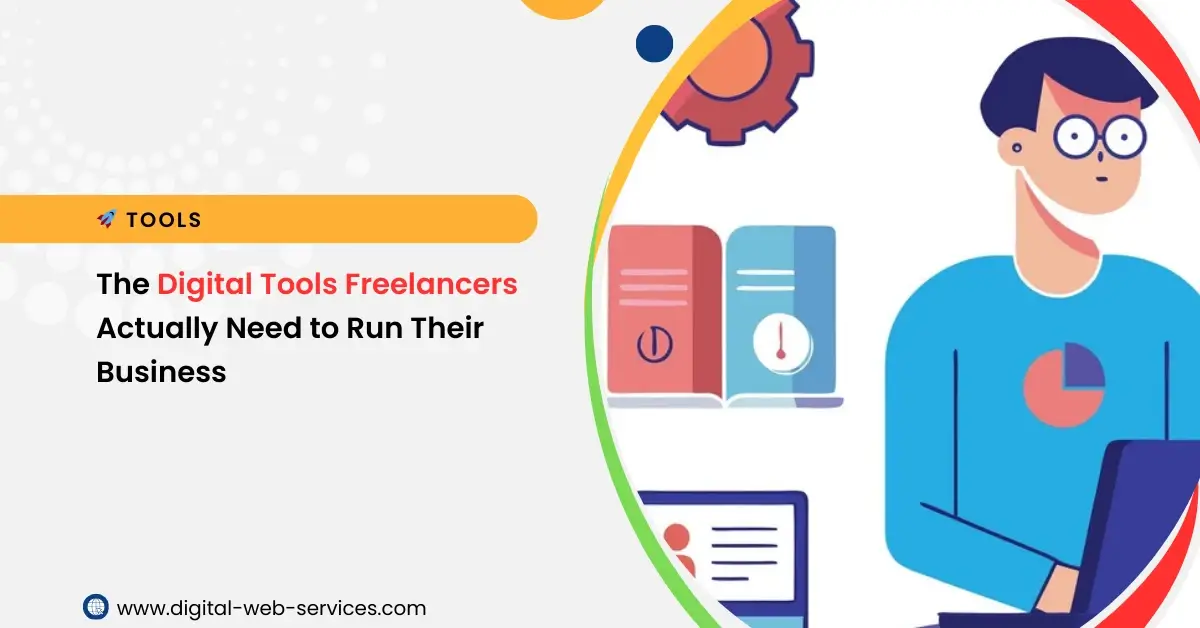
Every freelancer knows the big names: Slack for communication, Trello for project management, Canva for quick designs. However, running a freelance business involves more than just delivering client work. It means handling invoices, tracking expenses, documenting income, and staying organized enough to survive tax season without a breakdown. The tools that actually keep freelancers afloat are often the ones that no one talks about at networking events.
The Gaps Most Freelancers Don’t See Coming
When you first go freelance, the focus is on finding clients and delivering great work. Financial infrastructure feels like a problem for later. Then, a landlord asks for income verification, a loan application requires documentation, or an accountant requests records you never kept. The freelancers who avoid this scramble have built systems early, often using free or low-cost digital tools that handle the administrative work automatically.
What Belongs in Your Toolkit
Beyond project management and communication apps, freelancers need tools covering three critical areas:
- Income tracking and invoicing. Apps like Wave, FreshBooks, or even a well-structured spreadsheet can work here. The key is consistency; every invoice sent, every payment received, logged in one place. When you need to show six months of income history, you’ll be able to do so.
- Expense categorization. Software subscriptions, home office costs, equipment purchases; these add up, and they’re deductible. Tools that automatically categorize transactions (many banking apps now do this) save hours at tax time and often reveal deductions you’d otherwise miss.
- Pay documentation. This one surprises people. Unlike traditional employees who receive paystubs automatically, freelancers must generate their own income documentation. Whether you’re applying for an apartment, financing a car, or simply proving income for a visa application, having access to sample pay stubs or the ability to create professional pay records on demand makes these situations far less stressful.
The Apartment Application Problem
Here’s a scenario most freelancers eventually face: you find a great apartment, fill out the application, and then see a checkbox asking you to attach your last three paystubs. You have invoices, some bank statements, and possibly a tax return from last year. Some landlords accept these alternatives, but many want standardized documentation that looks like what they’re used to seeing.
Smart freelancers solve this proactively by generating pay documentation regularly (monthly or quarterly) that summarizes their earnings in a familiar format. When requests come, they’re ready.
Quick Wins for Getting Organized
If your financial systems are currently nonexistent, start small:
- Open a separate bank account for business income, even a free checking account works.
- Set a monthly calendar reminder to reconcile income and expenses.
- Create a simple folder system (cloud-based, so it’s backed up) for receipts, invoices, and tax documents.
- Generate income documentation at regular intervals, not just when someone asks for it.
These steps are the difference between a freelance business that runs smoothly and one that constantly operates in crisis mode.
Endnote
The best digital tools for freelancers aren’t always the trendiest. Sometimes they’re the ones that quietly handle boring tasks so you can focus on meaningful work. Build your infrastructure now to set yourself up for future success.

Maria Jain is a Senior Content Strategist and Tech Editor at Digital Web Services, with over 6+ years of experience covering digital marketing, website development, and search engine optimization. She specializes in WordPress site architecture, AI technologies, Web Hosting, topical authority models, and hands-on SaaS & affiliate tool reviews. Maria combines data-driven SEO practices with deep web design and technical insights to publish transparent guides, tool comparisons, and strategic tutorials for digital growth.