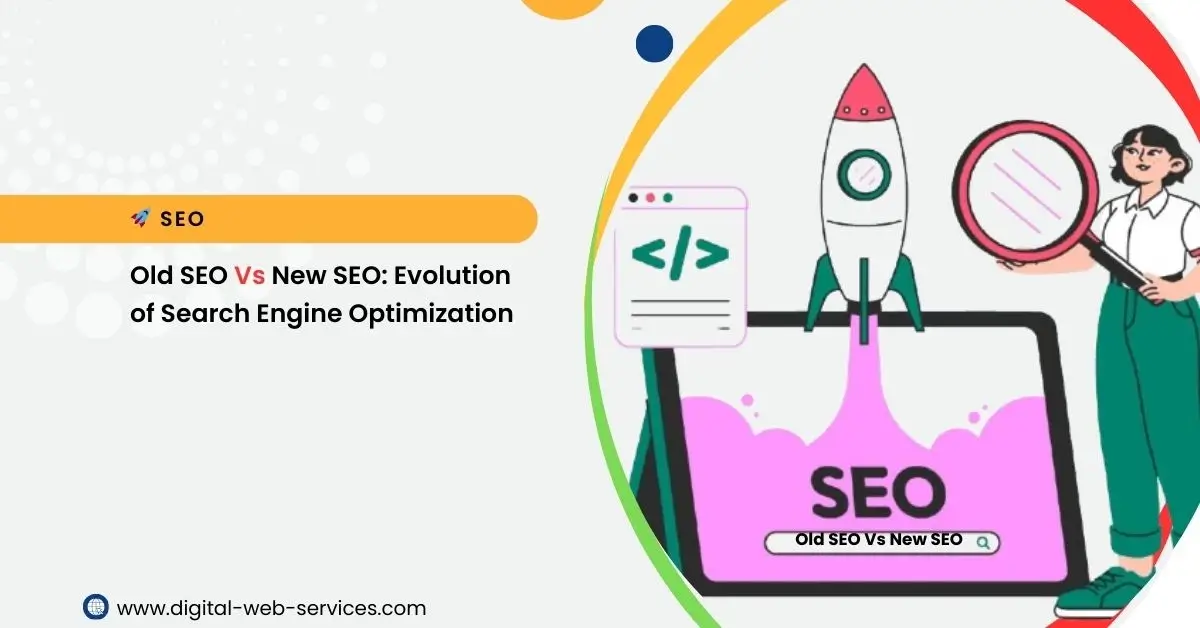
SEO (Search Engine Optimization) has come a long way since its inception. In the past, SEO was about basic tricks and keyword stuffing. Today, SEO is all about high-quality content, user experience, and optimizing for voice search and AI. In this article, we’ll compare Old SEO vs New SEO, covering the major changes and how businesses can stay ahead in search rankings.
Old SEO: Keyword Stuffing and Link Farms
Old SEO tactics were focused on the following methods:
- Keyword Stuffing: In the early days of SEO, the more times a keyword appeared on a page, the better the ranking. This led to unnatural content and a poor user experience.
- Backlink Manipulation: Building backlinks from any website, including low-quality sources, was a primary focus. Link farms were created just for this purpose.
- Meta Tags Overuse: SEO used to be heavily reliant on meta tags, such as the meta description and meta keywords, which were essential for ranking.
- Ignoring User Intent: SEO back then often overlooked the user’s intent, focusing more on ranking for specific keywords without considering if the content met the user’s needs.
These old-school tactics were effective for a time but have now been largely outdated due to updates in search engine algorithms.
New SEO: Content Quality, AI, and User Experience
Today’s SEO strategy is a completely different ballgame. Let’s dive into the key changes:
- Focus on User Experience (UX): Google now values websites that provide a seamless user experience. This includes fast load times, mobile responsiveness, and easy navigation. A poor UX can negatively impact rankings.
- Quality Content Over Quantity: Today, SEO is about providing high-quality, relevant content that answers user queries. Keyword stuffing is penalized, and long-form, in-depth content ranks better.
- Natural Keyword Usage: Keywords are still important, but they must be used naturally. The focus is on the search intent, which means understanding what users are looking for and creating content that fulfills that need.
- AI and Machine Learning: Modern SEO uses AI and machine learning for better search results. Algorithms like Google’s RankBrain are used to understand searcher behavior and adjust rankings based on user interactions with content.
- Mobile-First Indexing: Google now uses a mobile-first approach, meaning the mobile version of your site is considered the primary version for ranking.
- Core Web Vitals: Google has also introduced Core Web Vitals as a ranking factor. These include metrics related to page load time, interactivity, and visual stability of a page.
- Voice Search Optimization: With the rise of smart devices like Alexa and Google Assistant, voice search optimization has become a crucial part of SEO.
- E-E-A-T (Expertise, Authoritativeness, Trustworthiness): Google now evaluates the quality of content based on its expertise, authority, and trustworthiness. Websites with credible sources and authoritative content tend to rank higher.
How to Adapt Your SEO Strategy for the New Era
To stay competitive in 2025, follow these strategies:
- Focus on Search Intent: Instead of ranking for just specific keywords, create content that answers the broader intent behind the search.
- Optimize for Mobile: Ensure your website is mobile-friendly to meet Google’s mobile-first indexing requirements.
- Leverage AI Tools: Use AI tools for keyword research, content optimization, and performance analysis.
- Improve User Experience: Fast loading times, easy navigation, and a secure, mobile-responsive website are essential.
- Focus on High-Quality Backlinks: Build backlinks from authoritative and relevant sources, rather than link farms.
FAQs About Old SEO Vs New SEO
1. What is the main difference between old SEO and new SEO?
Old SEO focused on keyword stuffing and backlinks from low-quality sources. New SEO is about quality content, user experience, and optimizing for search intent.
2. Does keyword density matter in new SEO?
Keyword density is still important, but it should be natural. Focus more on the content’s relevance to user queries rather than overusing keywords.
3. What role do backlinks play in new SEO?
Backlinks still matter, but they need to come from authoritative and relevant sources. Low-quality backlinks can hurt your SEO.
4. Why is mobile optimization important for SEO?
With Google’s mobile-first indexing, a mobile-friendly website is crucial for good rankings. Most users access websites via mobile devices, and Google prioritizes these versions.
5. How can AI help in modern SEO?
AI tools can analyze user behavior, improve content recommendations, and help with keyword research and site optimization for better rankings.
6. What is E-E-A-T in SEO?
E-E-A-T stands for Expertise, Authoritativeness, and Trustworthiness. It is a critical factor for ranking high in Google’s search results, particularly for YMYL (Your Money Your Life) pages like health and finance.
Conclusion
SEO has evolved dramatically from its early days of keyword stuffing and link manipulation. New SEO focuses on content quality, user experience, and adapting to AI and voice search trends. Businesses must embrace these changes to stay competitive and rank well on search engines.
Remember, SEO is no longer just about ranking for keywords. It’s about delivering value to users by focusing on their intent and optimizing for a seamless experience across all devices. Stay ahead of the curve by adapting your SEO strategies for the modern era!

Maria Jain is a Senior Content Strategist and Tech Editor at Digital Web Services, with over 6+ years of experience covering digital marketing, website development, and search engine optimization. She specializes in WordPress site architecture, AI technologies, Web Hosting, topical authority models, and hands-on SaaS & affiliate tool reviews. Maria combines data-driven SEO practices with deep web design and technical insights to publish transparent guides, tool comparisons, and strategic tutorials for digital growth.