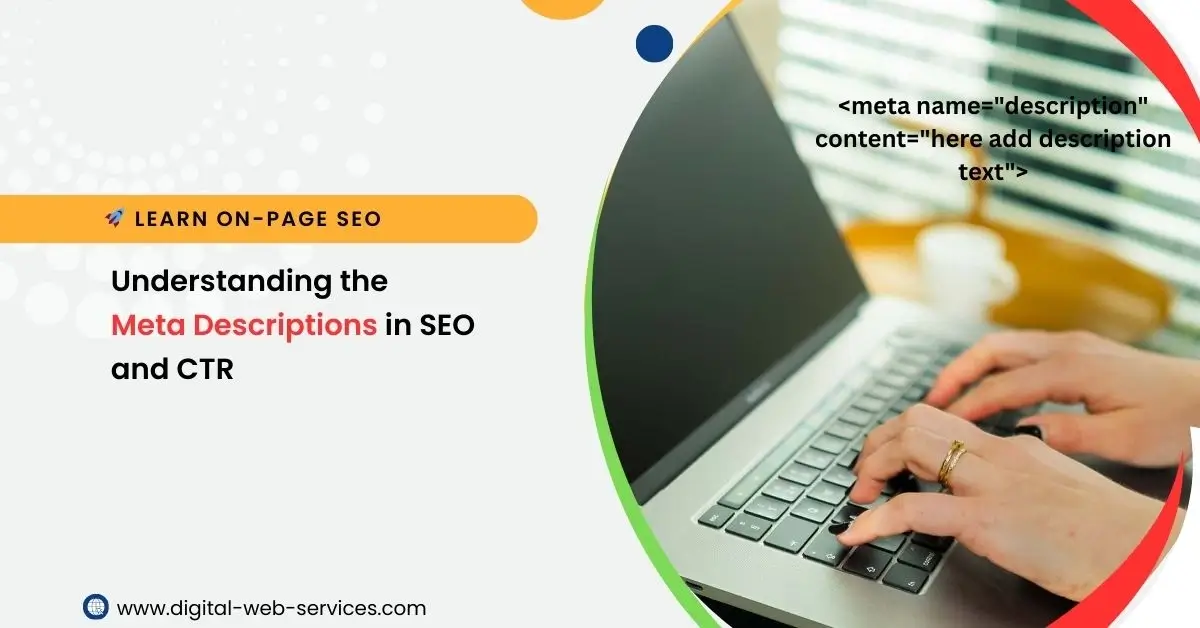
When it comes to SEO, there are many factors that determine how well your website ranks in search engine results. One often overlooked but crucial element is the meta description. Although meta descriptions don’t directly affect search rankings, they do have a significant impact on the click-through rate (CTR), which can indirectly influence your website’s performance. In this article, we will explore what meta descriptions are, their importance in SEO, and how they can boost your CTR.
What is a Meta Description?
A meta description is a short snippet of text, typically between 150-160 characters, that provides a brief summary of a webpage’s content. It appears below the title tag in search engine results pages (SERPs) and gives users an idea of what the page is about. Think of it as a mini-advertisement for your page, enticing users to click through to your website.
The Role of Meta Descriptions in Search Rankings
Although meta descriptions themselves don’t directly influence search rankings (since Google doesn’t consider them as ranking factors), they do play an essential role in user engagement. The CTR—the percentage of people who click on your link when it appears in search results—is one of the key metrics search engines use to gauge how relevant and engaging your content is. A higher CTR can lead to:
- Improved Visibility: Search engines may view pages with a high CTR as more relevant to users’ queries, potentially boosting their rankings over time.
- Enhanced User Experience: Meta descriptions that clearly and accurately describe page content make it easier for users to find what they’re looking for, which can lead to more satisfied visitors.
How Meta Descriptions Impact CTR
The primary role of a meta description is to encourage clicks. Since it’s the first piece of content users see on the SERPs, crafting a compelling, concise, and keyword-optimized meta description can make all the difference. Here’s how they impact CTR:
- Clear Call-to-Action: A well-written meta description often includes a call-to-action (CTA), such as “Learn more,” “Discover,” or “Get started today,” which motivates users to click through to your site.
- Keyword Relevance: Including relevant keywords in your meta description, such as “Learn on-page SEO with Digital Web Services,” not only makes it clear that your page is relevant to the search query but also highlights it in bold text in the SERPs, catching users’ attention.
- User Intent Match: The meta description should align with what users are looking for, offering solutions to their problems or answering their questions. This directly impacts CTR by ensuring users find what they expect when they click.
Best Practices for Crafting Effective Meta Descriptions
To optimize your meta descriptions for higher CTR and better SEO, follow these best practices:
- Keep it concise: Aim for a length between 150-160 characters, ensuring the entire description appears in the search results without being truncated.
- Use target keywords: Integrate keywords naturally to align with search queries, like “Learn on-page SEO with Digital Web Services,” so your page stands out.
- Craft a compelling message: Focus on what makes your page unique and why users should click. Include value propositions, benefits, or CTAs.
- Reflect page content: Ensure that the meta description accurately represents the content of the page to reduce bounce rates and increase engagement.
Conclusion
While meta descriptions may not directly affect search rankings, they play a crucial role in boosting CTR, which can indirectly influence your page’s visibility and ranking. By following best practices and optimizing your meta descriptions, you can increase your chances of attracting more traffic and improving your website’s overall SEO performance. Learn on-page SEO with Digital Web Services to further enhance your website’s reach and performance.
Note:
Ready to improve your website’s CTR and SEO performance? Learn on-page SEO with Digital Web Services and watch your site grow in visibility and engagement. Reach out today for expert guidance on optimizing your meta descriptions and overall SEO strategy!

Maria Jain is a Senior Content Strategist and Tech Editor at Digital Web Services, with over 6+ years of experience covering digital marketing, website development, and search engine optimization. She specializes in WordPress site architecture, AI technologies, Web Hosting, topical authority models, and hands-on SaaS & affiliate tool reviews. Maria combines data-driven SEO practices with deep web design and technical insights to publish transparent guides, tool comparisons, and strategic tutorials for digital growth.