
In the realm of SEO, title tags are one of the fundamental elements of on-page optimization. Title tags serve as the first impression for search engines and users alike, making them crucial for improving click-through rates (CTR) and search engine rankings. In this article, we’ll explain the importance of title tags and provide effective tips on how to optimize them for maximum SEO benefit.
What are Title Tags in SEO?
A title tag is an HTML element that defines the title of a webpage. It’s displayed on search engine results pages (SERPs) as the clickable headline for a given result. Title tags are also visible in the browser tab when a page is opened, contributing to user experience and SEO.
Title tags are vital for both search engines and users because they:
- Provide a concise description of the page’s content.
- Help search engines understand the focus of the page.
- Influence the decision-making process of users when they see the result in SERPs.
The Role of Title Tags in On-Page SEO
- Search Engine Relevance
Search engines like Google consider title tags as one of the primary ranking factors. A well-optimized title tag signals to search engines what the page is about, helping them understand its relevance to specific queries.
- Click-Through Rate (CTR)
A compelling title tag can significantly increase the click-through rate. When users search for something, they are more likely to click on results that feature a relevant and engaging title.
- Branding and User Experience
Besides SEO, title tags help in branding. Including your brand name in the title tag increases brand visibility, while maintaining clarity helps users identify your page quickly.
How to Optimize Title Tags Effectively
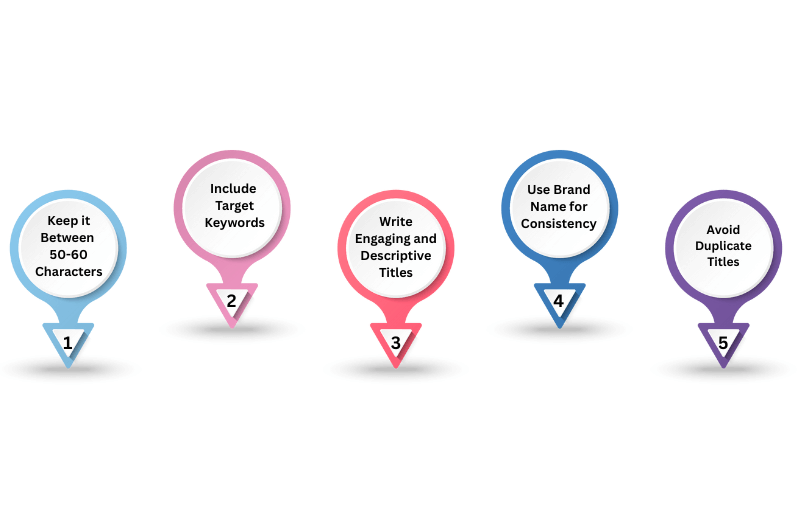
- Keep it Between 50-60 Characters
Search engines typically display the first 50-60 characters of a title tag. Keeping your title tag within this length ensures it doesn’t get truncated in the search results, offering users a full description of the page.
- Include Target Keywords
Place your primary target keywords towards the beginning of the title tag. This helps search engines associate your page with specific search queries. For instance, “Learn on-page SEO with Digital Web Services” could be part of your strategy.
- Write Engaging and Descriptive Titles
Make sure the title is not only keyword-rich but also enticing for users. A well-written title can improve CTR. Avoid stuffing titles with too many keywords, which may appear spammy.
- Use Brand Name for Consistency
If appropriate, include your brand name towards the end of the title tag. This helps increase brand recognition, especially for returning users.
- Avoid Duplicate Titles
Each page on your website should have a unique title tag. Duplicate title tags can confuse search engines and dilute your SEO efforts.
Best Practices for Title Tag Optimization
- Match Title with Content: Ensure that the title tag accurately represents the content of the page. Misleading title tags can lead to higher bounce rates, negatively affecting SEO.
- Be Clear and Specific: A clear title tag that accurately describes the content of the page will perform better than vague, generic titles.
- Avoid Keyword Stuffing: Instead of overloading the title with keywords, focus on creating a natural and engaging title that includes the target keyword.
Conclusion
Title tags are an essential component of on-page SEO, influencing both search engine rankings and user behavior. By crafting clear, concise, and keyword-optimized title tags, you can improve your site’s visibility and CTR. Remember, title tags are the first thing users and search engines see, so take the time to optimize them effectively.
Digital Web Services (DWS) is a leading IT company specializing in Software Development, Web Application Development, Website Designing, and Digital Marketing. Here are providing all kinds of services and solutions for the digital transformation of any business and website.